
The rice terraces were the first thing I saw each morning, before I was properly awake, before the coffee had even finished its walk from the kitchen to my hands. My room at the Dedari eco-lodge, in the hills above Tembuku, had been built to face them directly — no glass between me and the green, just an open frame and the sound of a creek somewhere below, working its way down through the paddies the way it had for centuries. Roosters called from a neighboring hillside. Something rustled in the brush I couldn't identify and didn't try to. By the time the coffee arrived, dark and slightly smoky, the light had gone from grey to gold, and the terraces had turned from a suggestion into a fact.
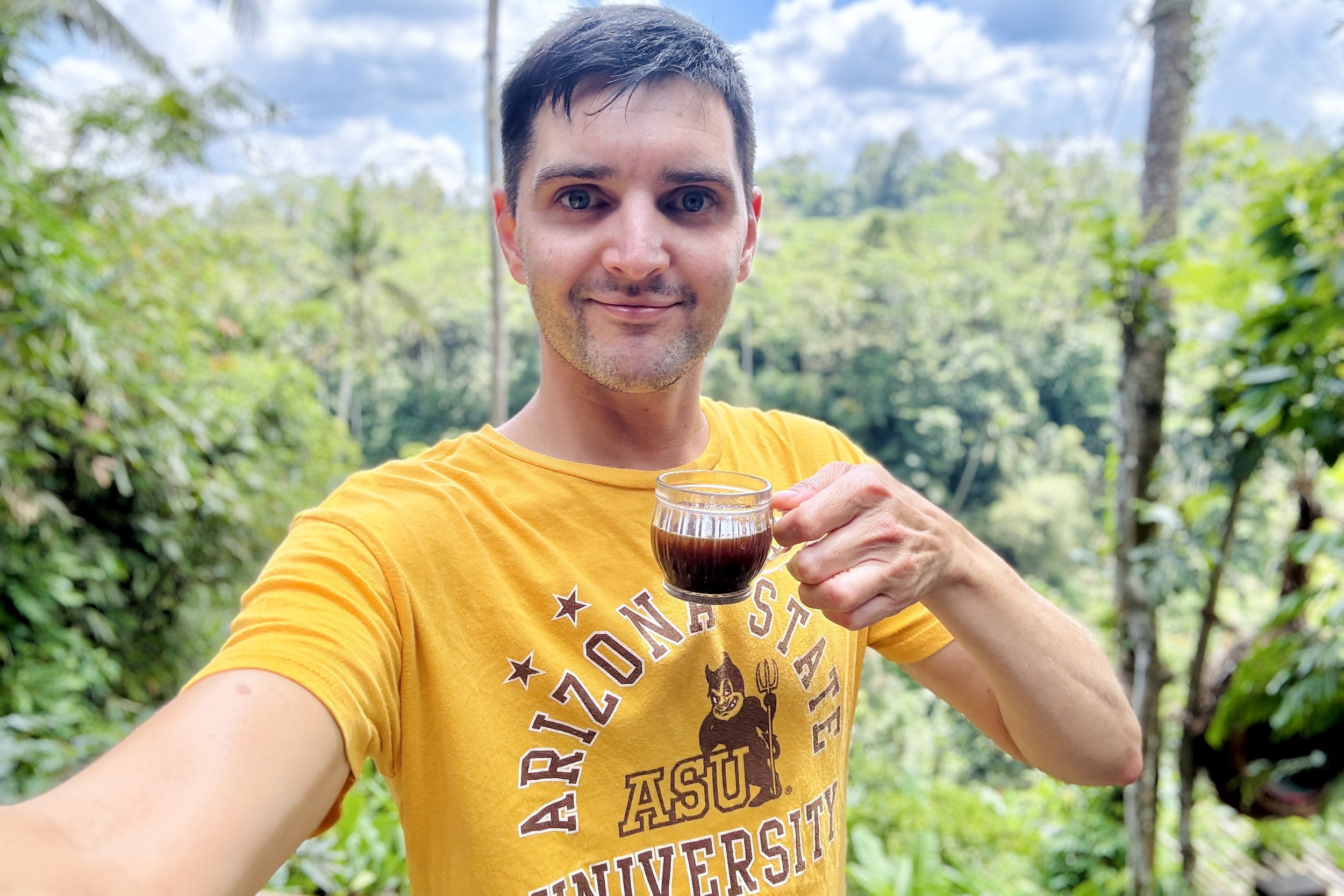
I drank it slowly, the way you learn to drink things in Bali, because the view asked you to. At sunset the same terraces would catch the light from the other direction, the water in each flooded step turning the color of the sky above it, one after another, like a staircase built for something larger than rice.
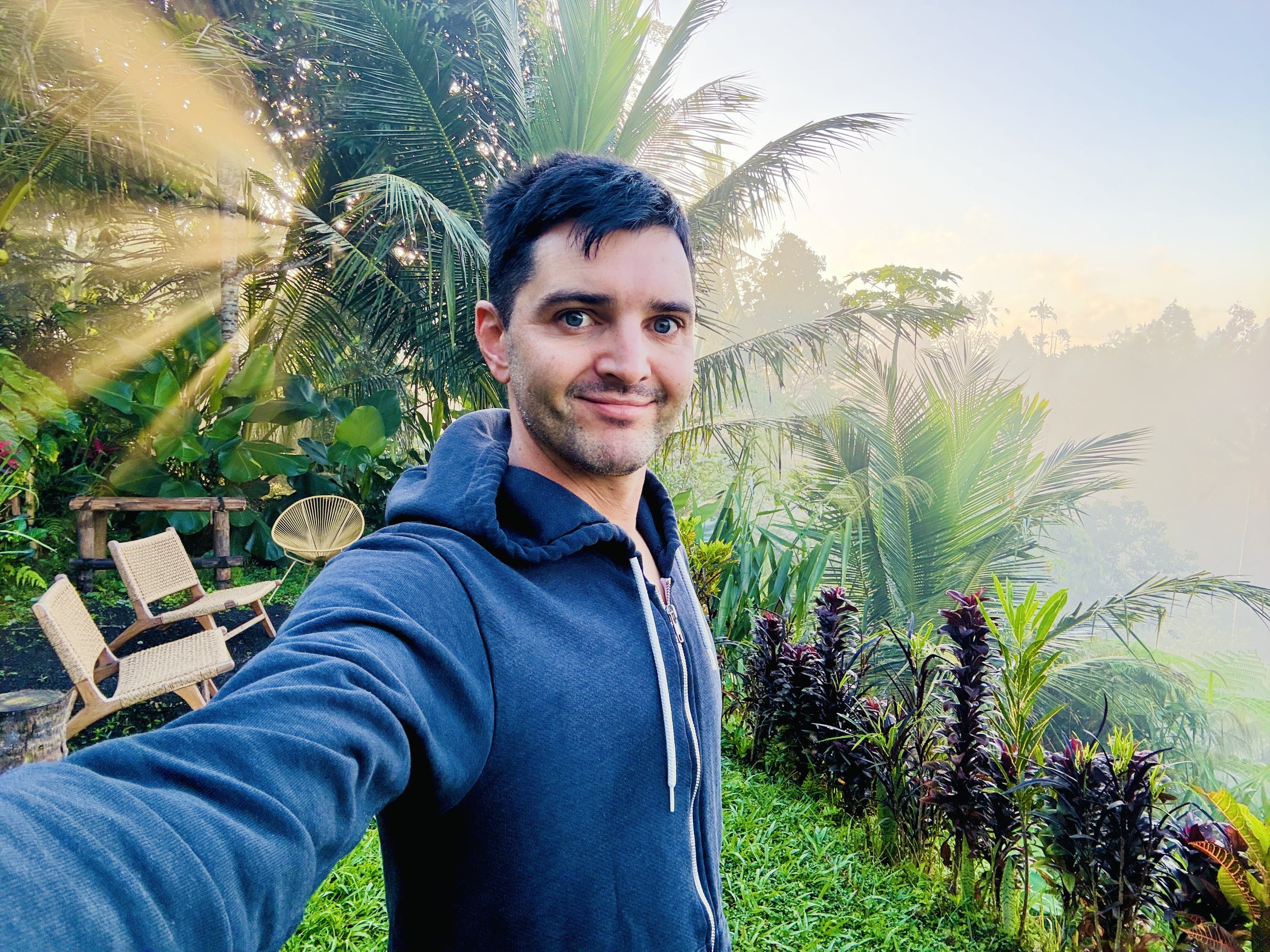
Tembuku sits inland from the routes most travelers take through Bali's interior — east of the terraces at Tegalalang that show up in every photograph of the island, tucked instead into the folds of Bangli regency, where the land begins its climb toward the volcanic highlands. I walked the terrace paths in the cooler hours, past irrigation channels no wider than a hand, carrying water from one paddy to the next in a system Balinese farmers call subak — an arrangement of trust and gravity that has outlasted empires. I didn't need to understand the engineering to feel its logic. You could hear it: the constant, unhurried sound of water finding its way downhill, patient in a way nothing else on the island seemed to be.
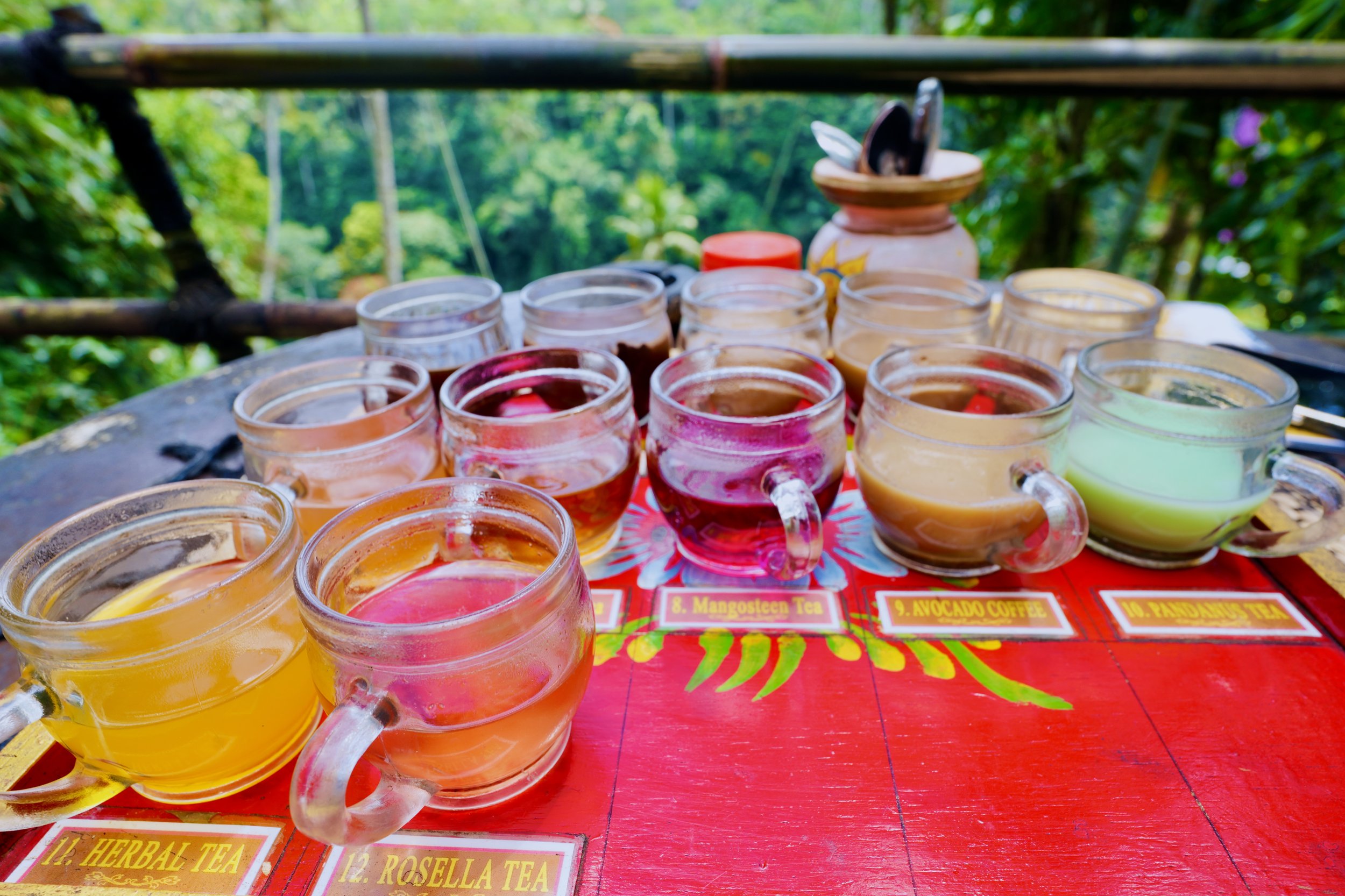
Not far from the lodge, a tea plantation opened onto the same kind of view, the fields dropping away toward a valley wrapped in bamboo and mist. I sat at a low table while a server set down a row of small cups, each one a different leaf, each one asked to be tasted slowly and separately — a black tea with a smokiness that lingered, a greener one that tasted faintly of the mountain air it had grown in. It felt like a continuation of the coffee that morning, another version of the same instruction: sit still, let the landscape do some of the work.
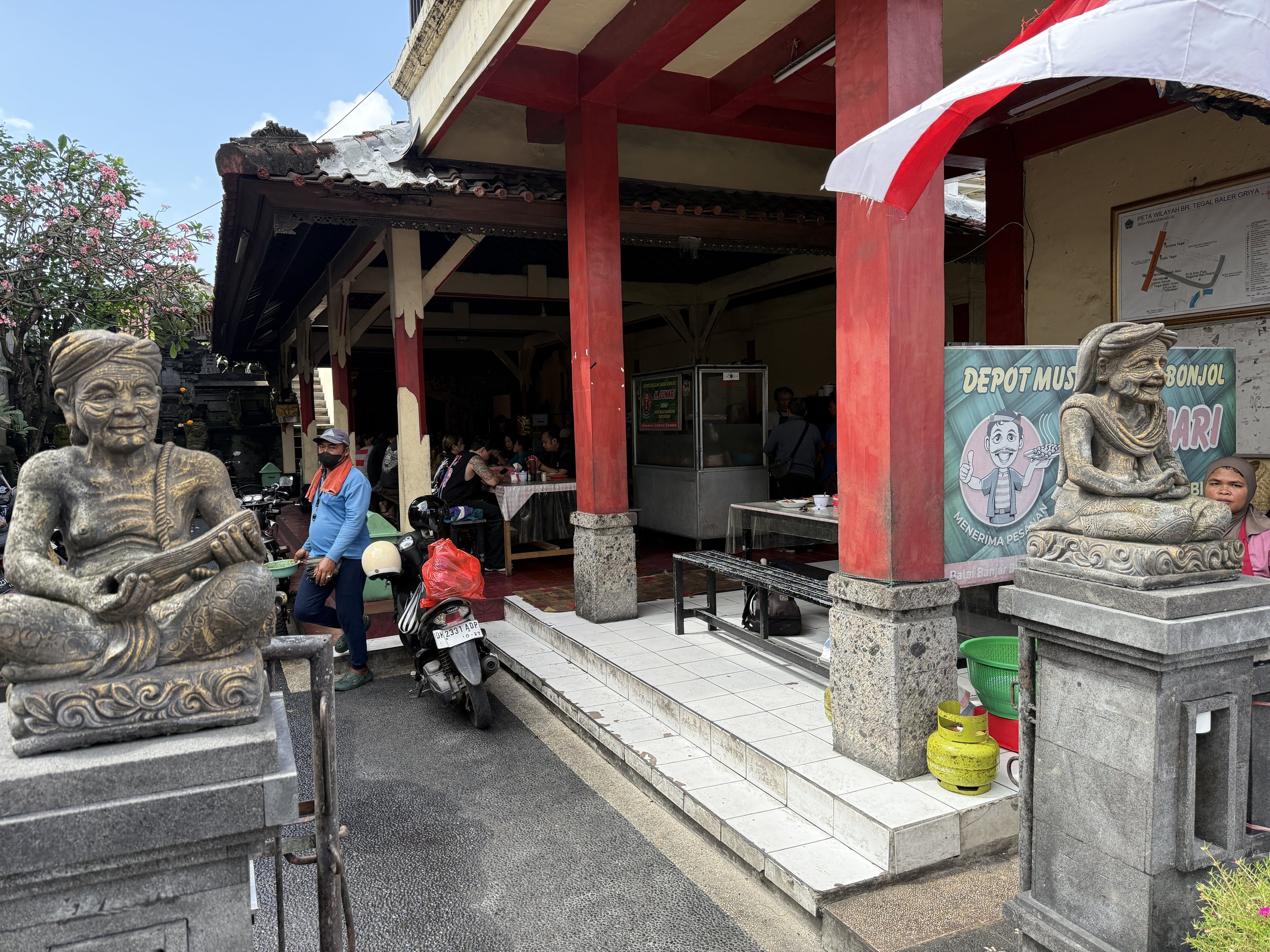
Eventually the interior lets you go. The roads out of Tembuku wind down through smaller villages and rice country before opening onto the wider, flatter sprawl around Denpasar, and it was there that the trip changed registers — from something contemplative to something loud, fast, and fragrant.
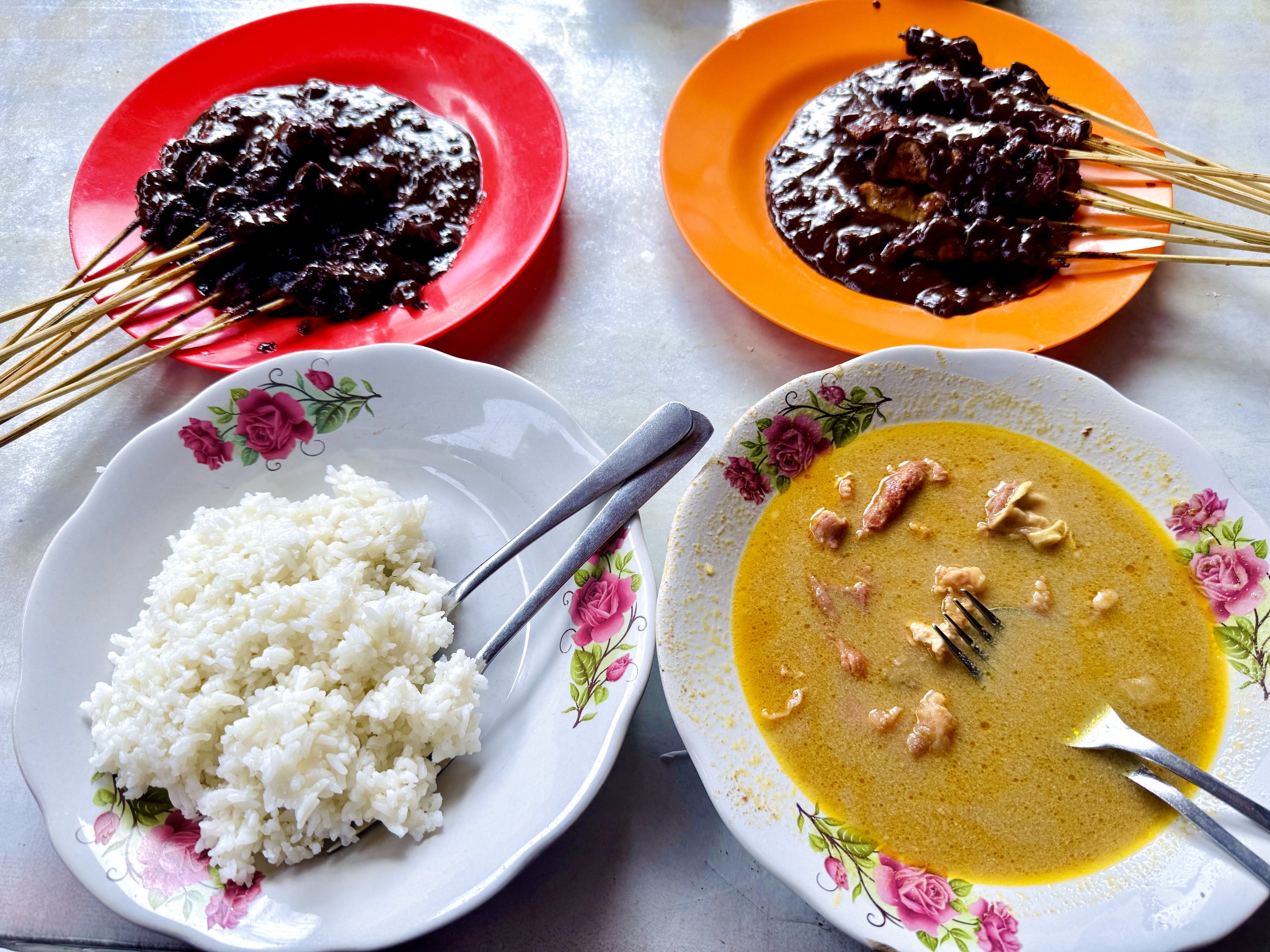
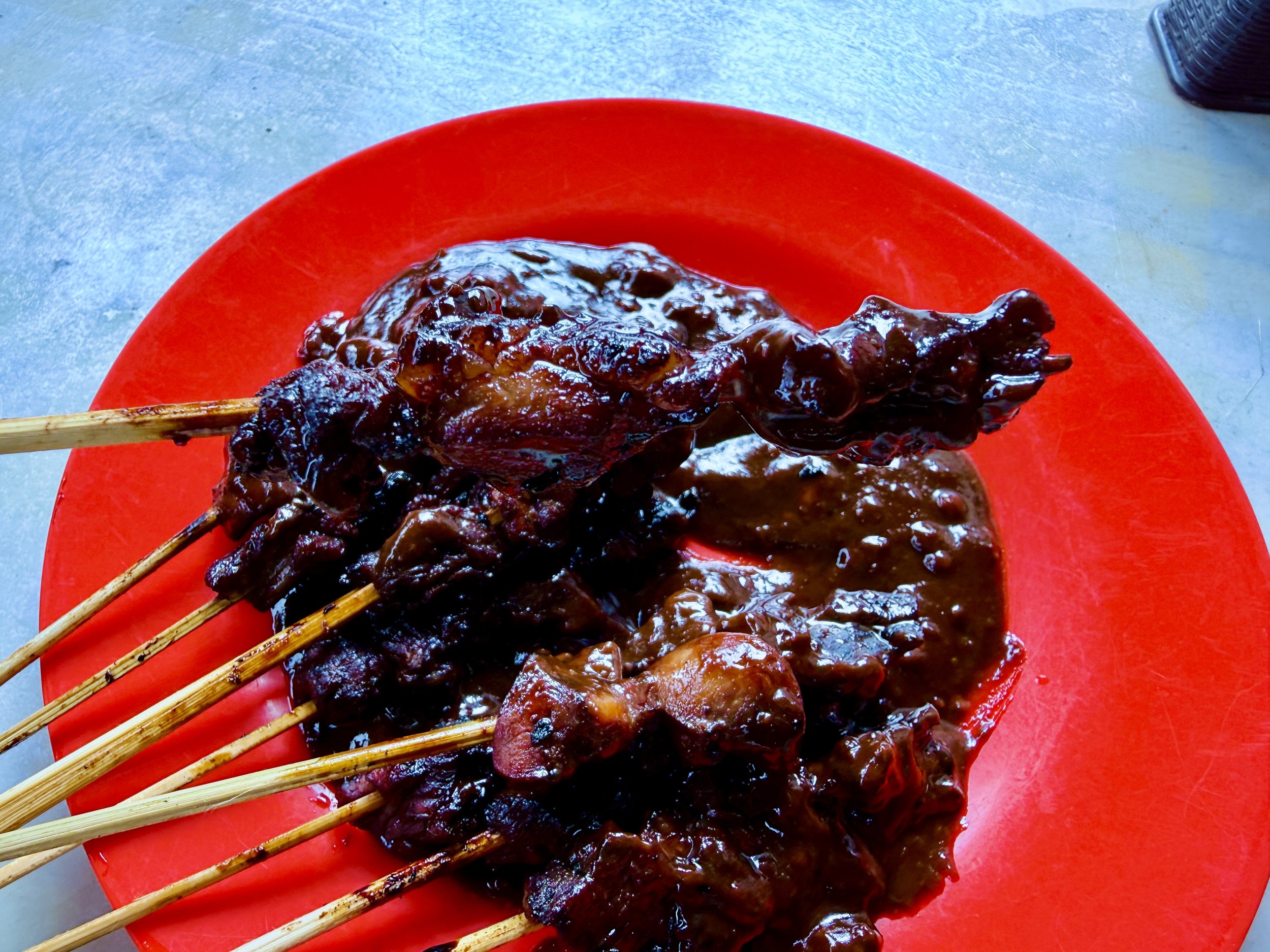
At a roadside warung specializing in goat, I ate sate kambing that had spent long enough over the coals to lose any trace of gaminess, each skewer charred at the edges and stained dark with a marinade that had worked its way all the way through the meat.
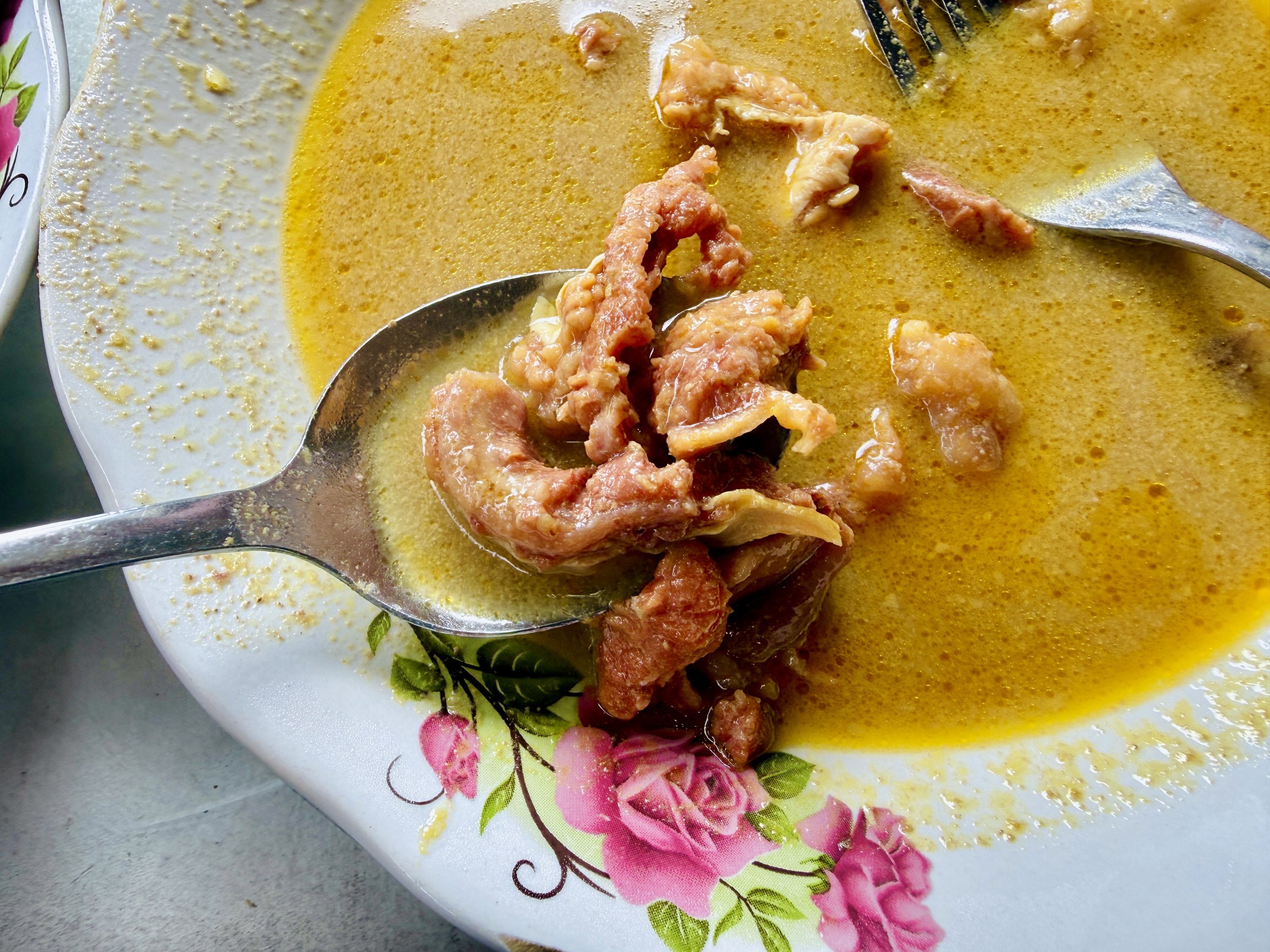
Alongside it came a bowl of gulai kambing — a coconut-based goat soup, rich and faintly sweet, the kind of dish that makes you forget you'd planned to eat lightly that day.
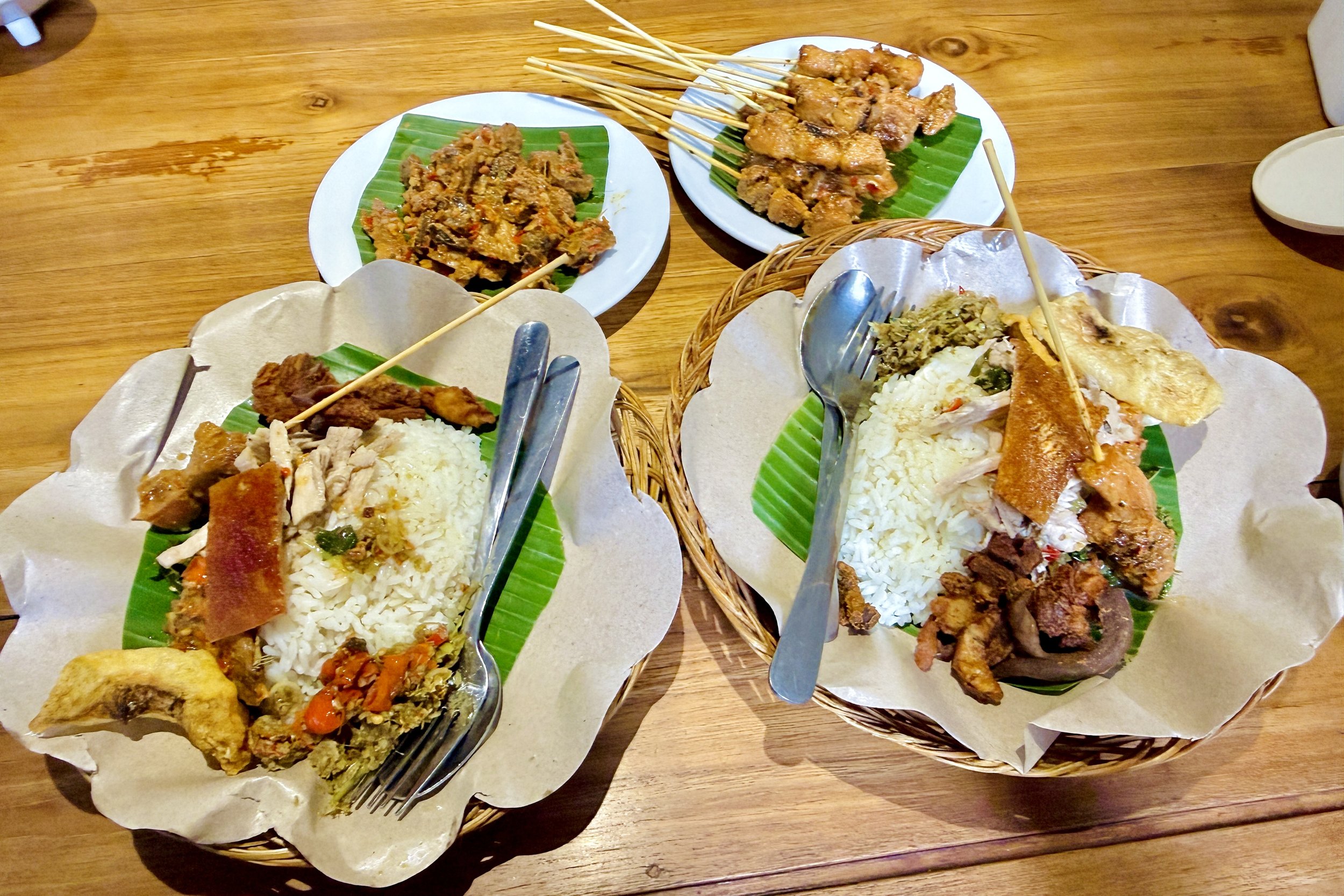
Later, at a Denpasar institution known for it, I had babi guling — suckling pig roasted whole on a spit, the skin blistered into a shattering crackling, the meat beneath soft enough to fall from the bone.
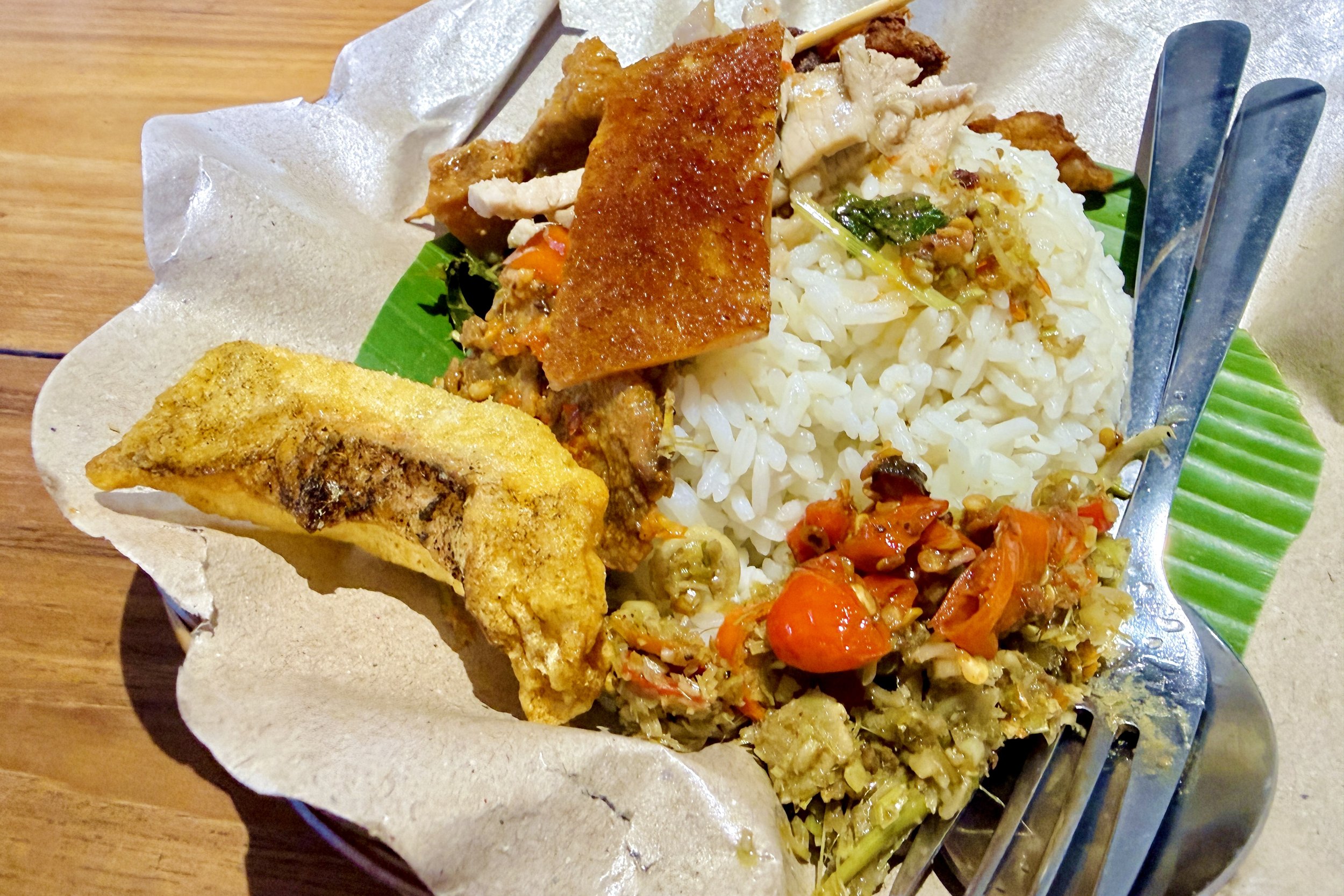
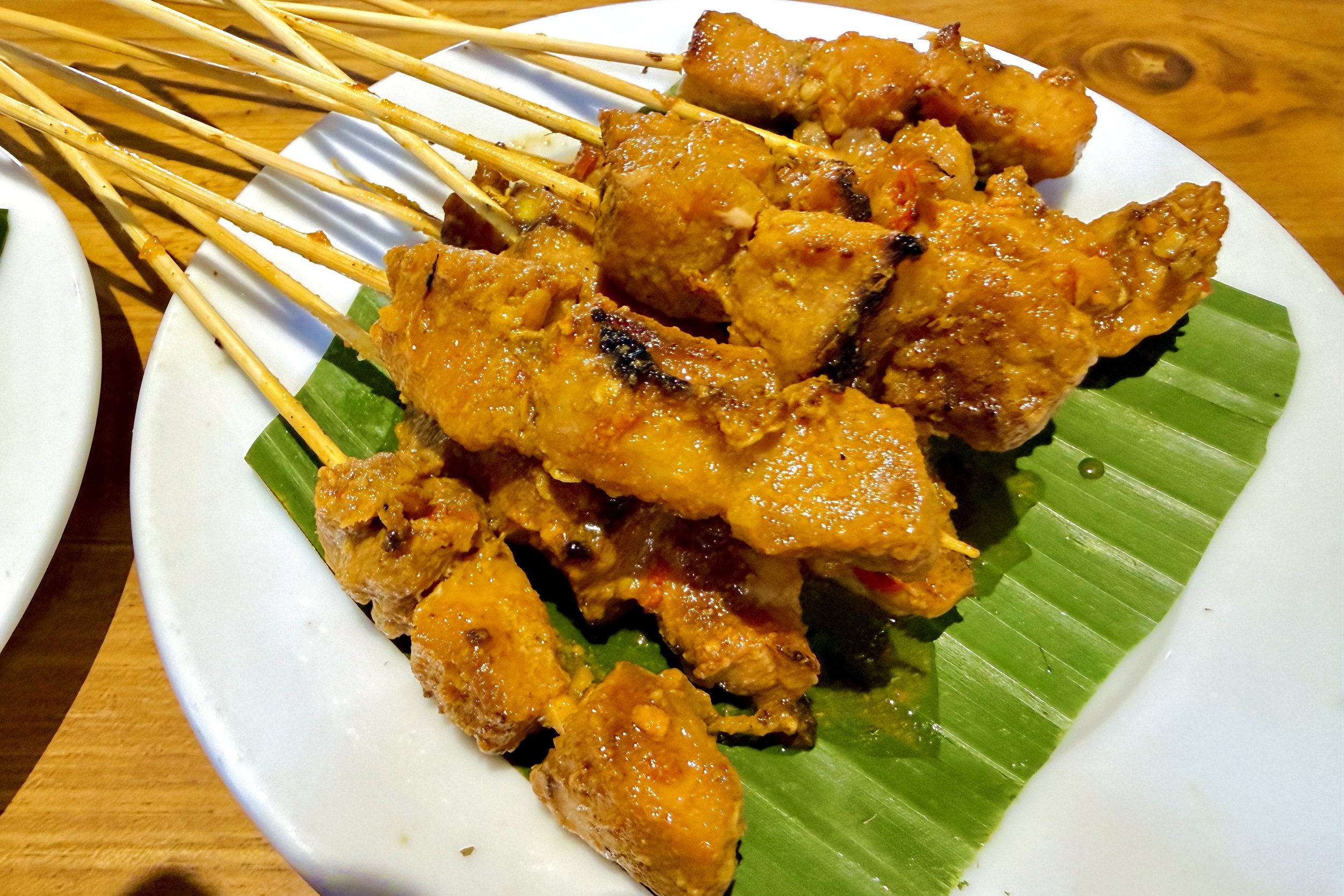
It arrived the way it's meant to: not as a single dish but a small banquet — pork alongside its own satay, a tangle of spiced vegetables, fried skin, a cup of broth on the side, everything sharing a plate the way a Balinese meal insists its components should.
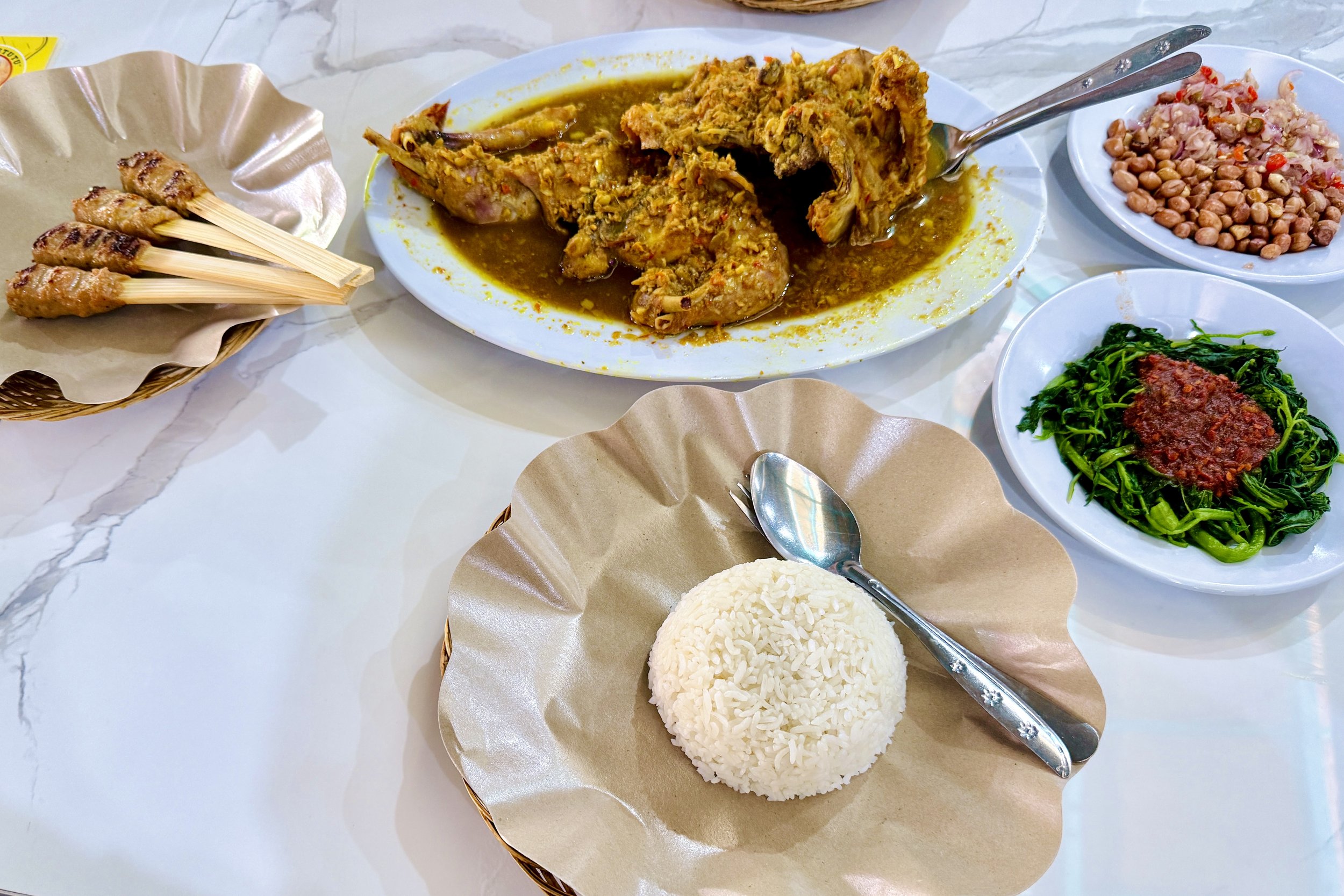
And somewhere in Kuta, chasing a recommendation from a driver who seemed personally offended I hadn't tried it yet, I found ayam betutu — chicken rubbed and stuffed with a spice paste built from turmeric, galangal, chili, and a dozen other things I couldn't fully name, then slow-cooked for hours until the meat gave way without resistance.
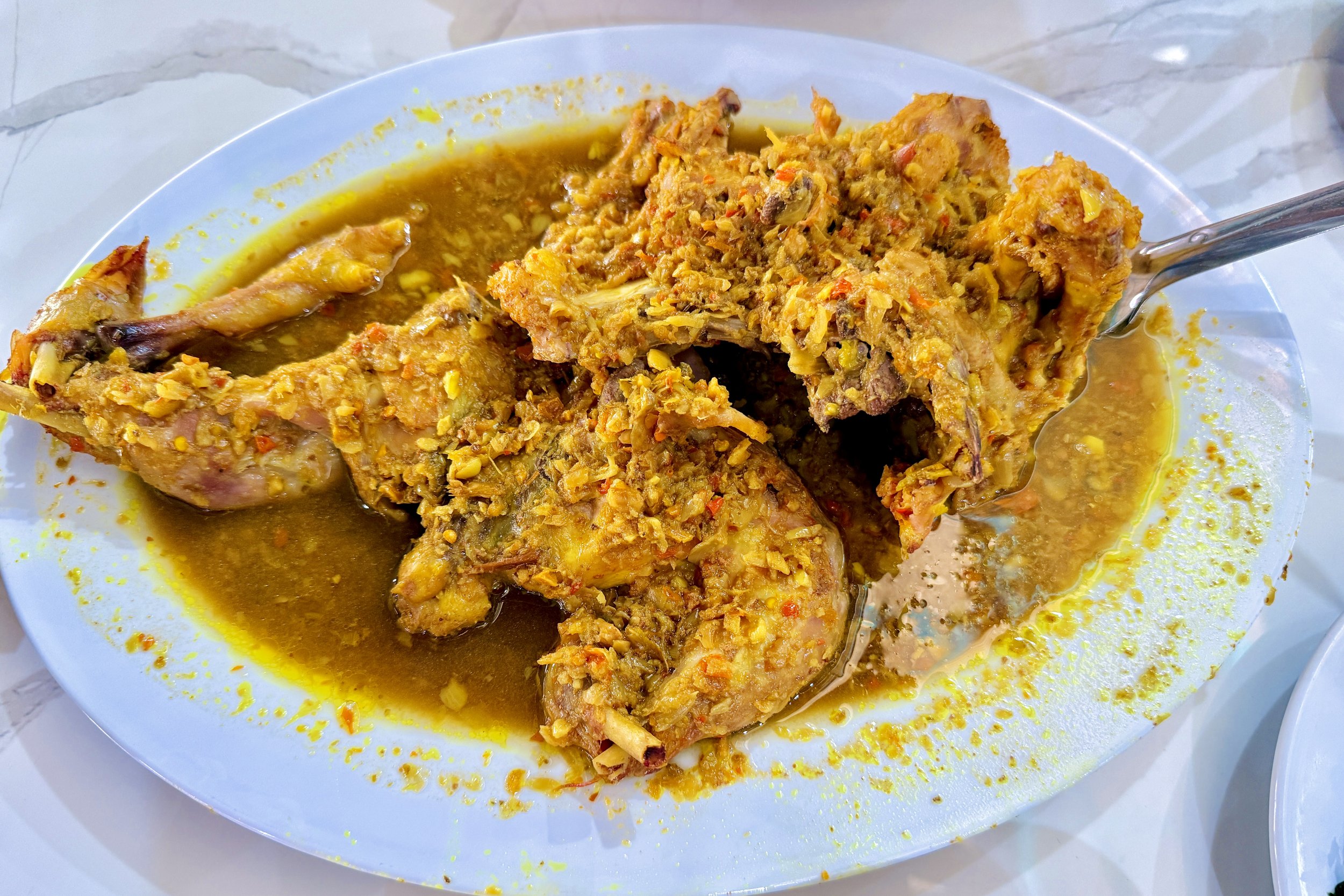
The heat crept up on you a beat after the flavor did, the way the best Balinese food tends to — never announcing itself, just arriving.
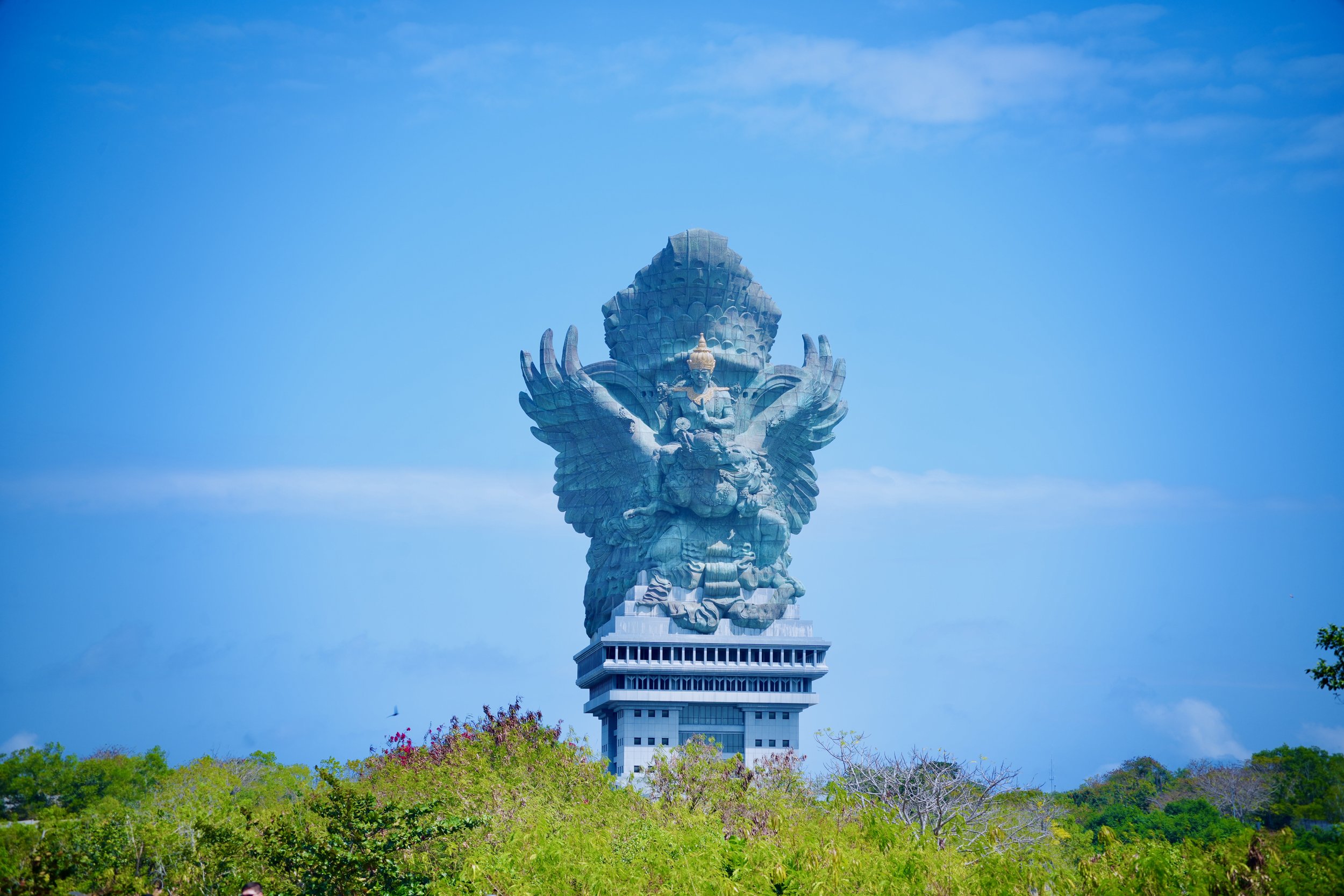
You see the statue before you understand what it is. Driving south along the toll road toward the Bukit Peninsula, something enormous appears on the hillside ahead — copper-toned, impossibly tall, catching the light in a way that makes it look less like architecture than apparition.
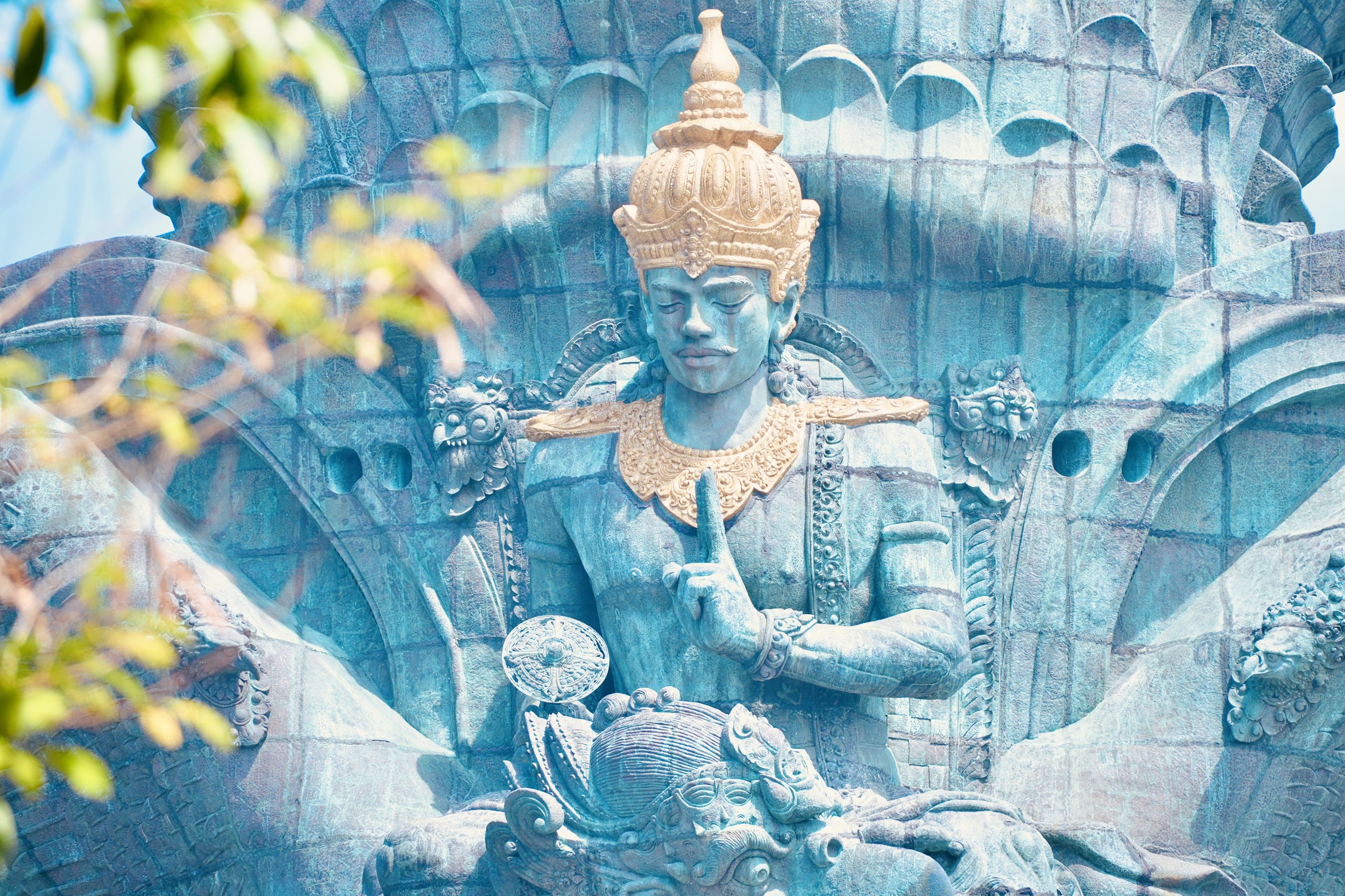
This is Garuda Wisnu Kencana: 121 meters of the Hindu god Vishnu astride Garuda, the mythical bird who once crossed the heavens to win his mother's freedom and became, for his loyalty, the god's eternal companion. It took nearly three decades to build. It is taller than the Statue of Liberty. None of the numbers quite prepare you for standing at its base and craning your neck upward into a wingspan wide enough to shade a plaza.
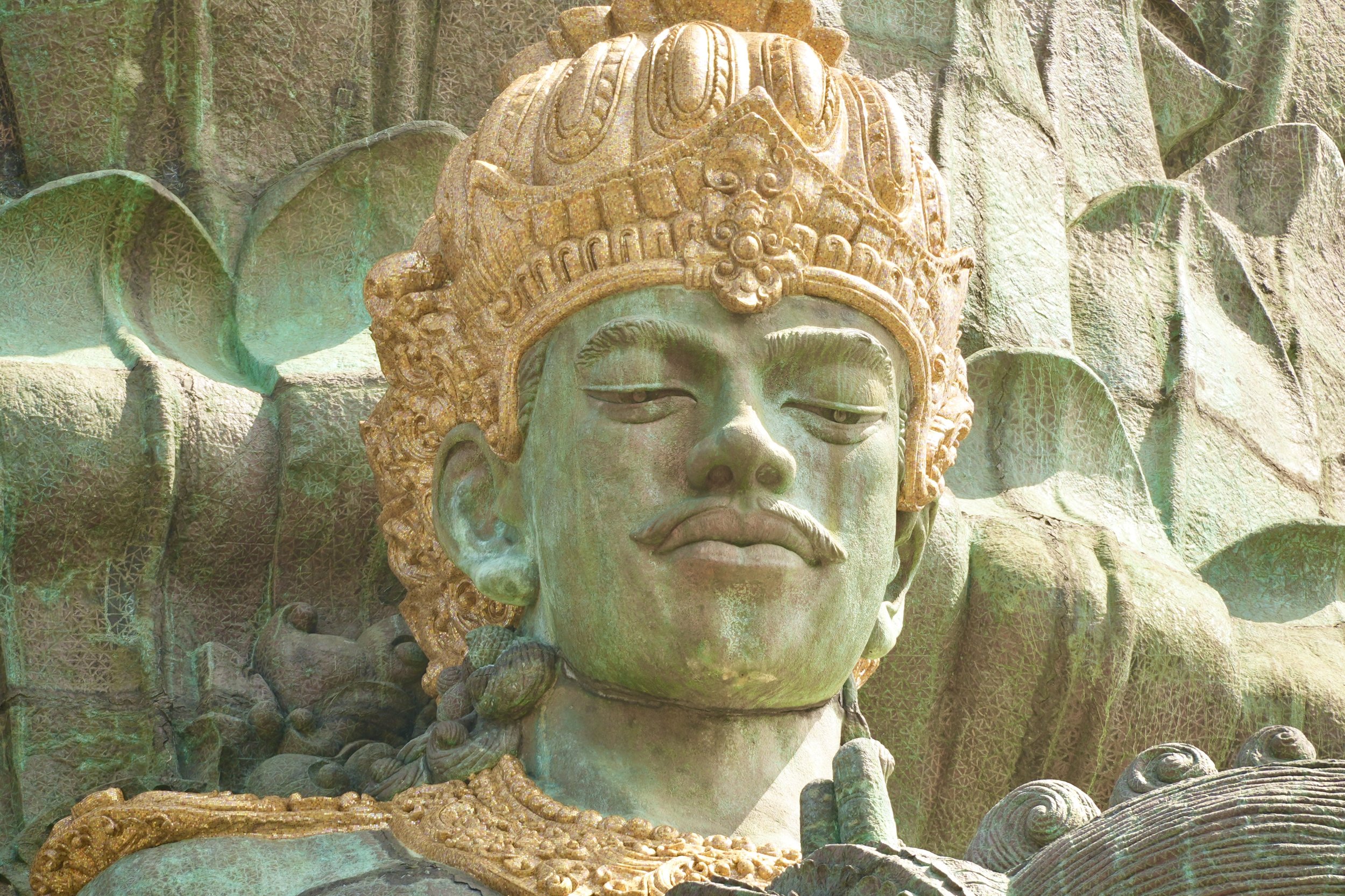
There is something disorienting about encountering scale like that after days spent in the quiet register of terraces and warungs — as if the island had been saving one enormous gesture for exactly this moment in the trip, a reminder that Bali contains both the intimate and the monumental, often within an hour's drive of each other.
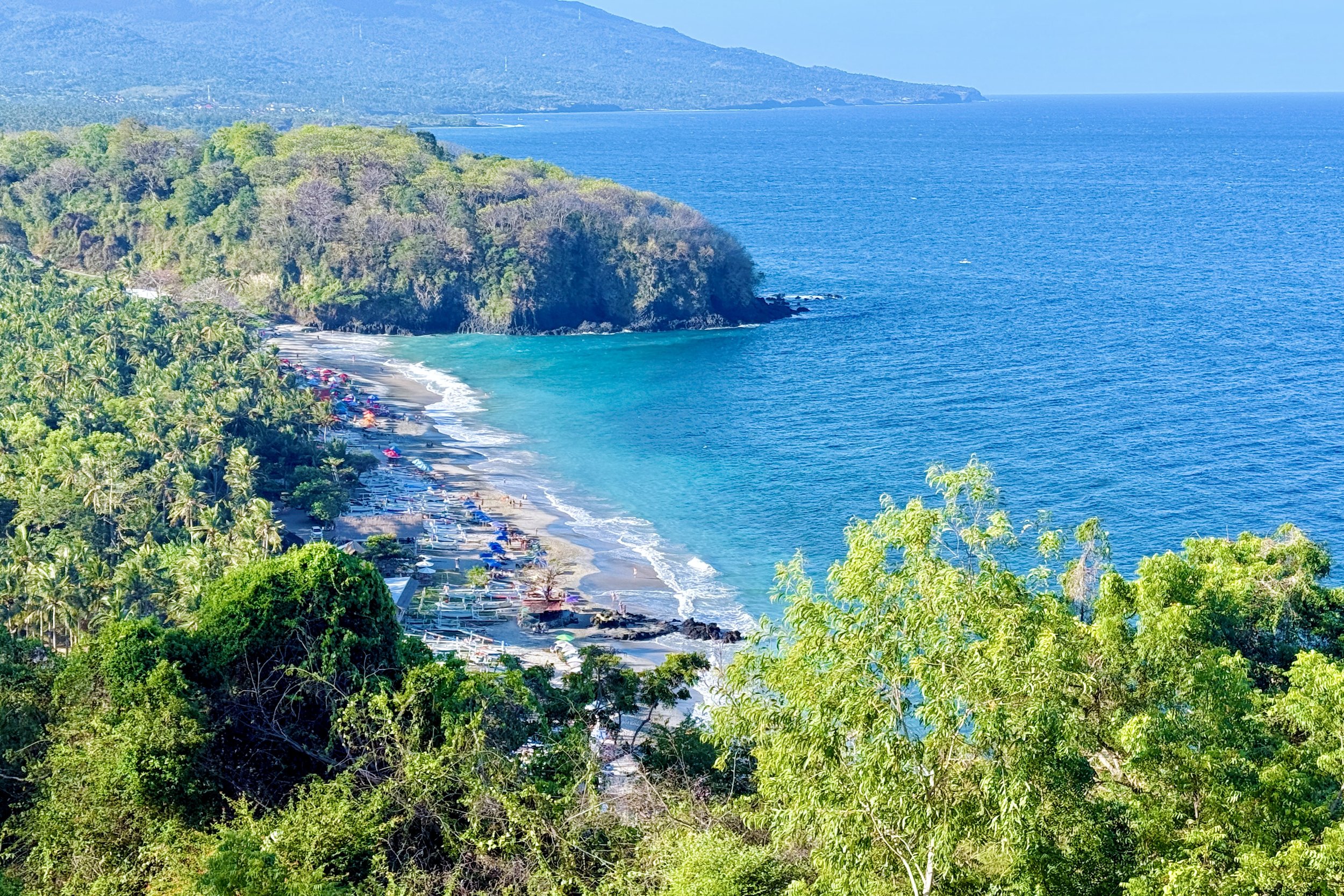
The Bukit Peninsula, where the statue stands watch, is also where the island finally meets the sea in earnest, and I spent my last days there moving between three beaches that felt like three different arguments about what a beach could be.
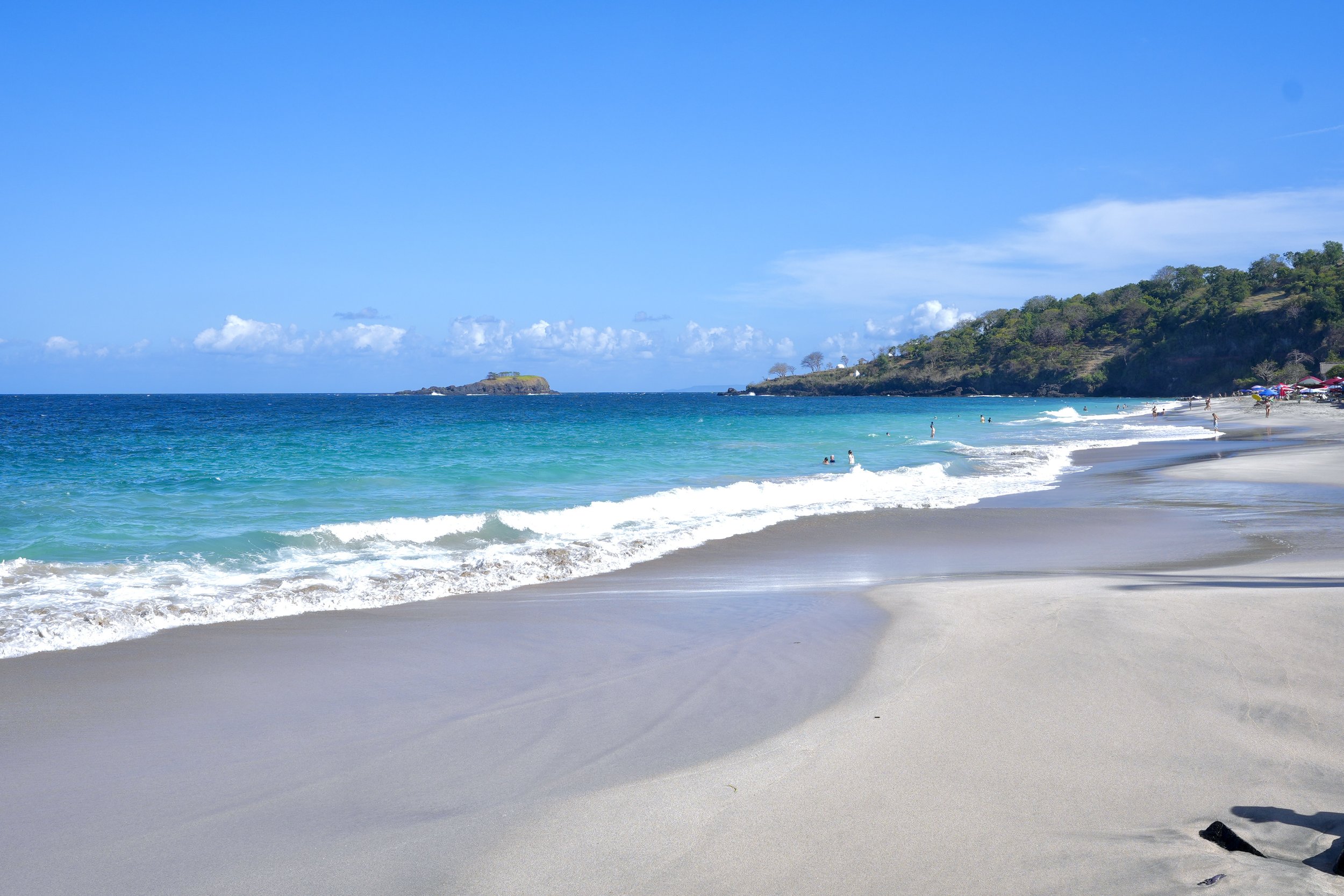
Virgin Beach, on the island's eastern flank near Karangasem, keeps its distance from the crowds by simple geography — a crescent of sand tucked between two hills, unusual for that coast because it isn't black, colored instead in soft gold that squeaks faintly underfoot. A handful of bamboo warungs lined the shore. Nobody hurried.
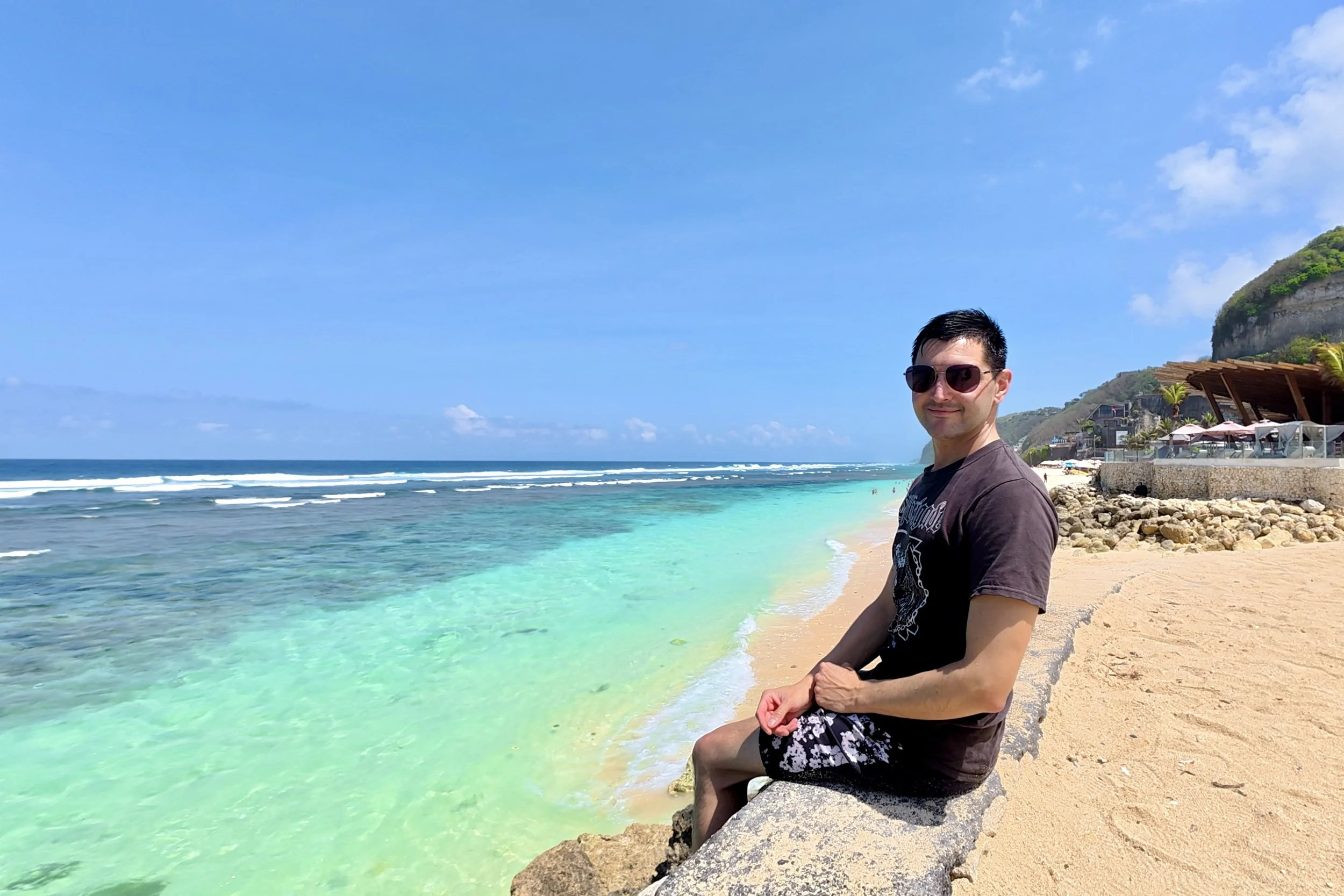
Melasti Beach announces itself before you arrive: a road cut directly through white limestone cliffs, switchbacking down toward water so clear and so calm it feels almost staged.
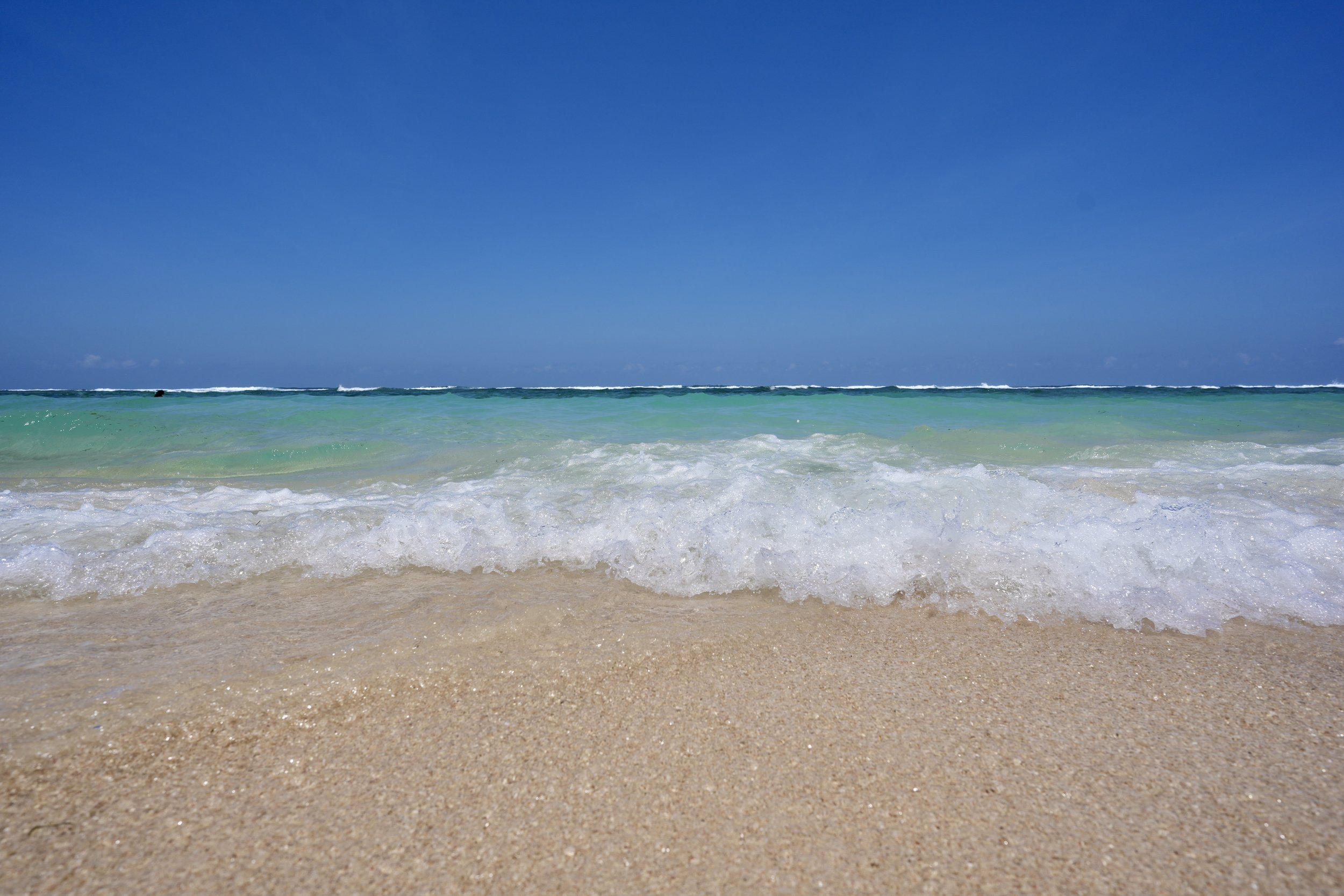
By late afternoon the light turns the cliffs gold and the sea goes from turquoise to something closer to glass, and the whole beach seems to angle itself toward the horizon in anticipation of the sunset everyone has come for.
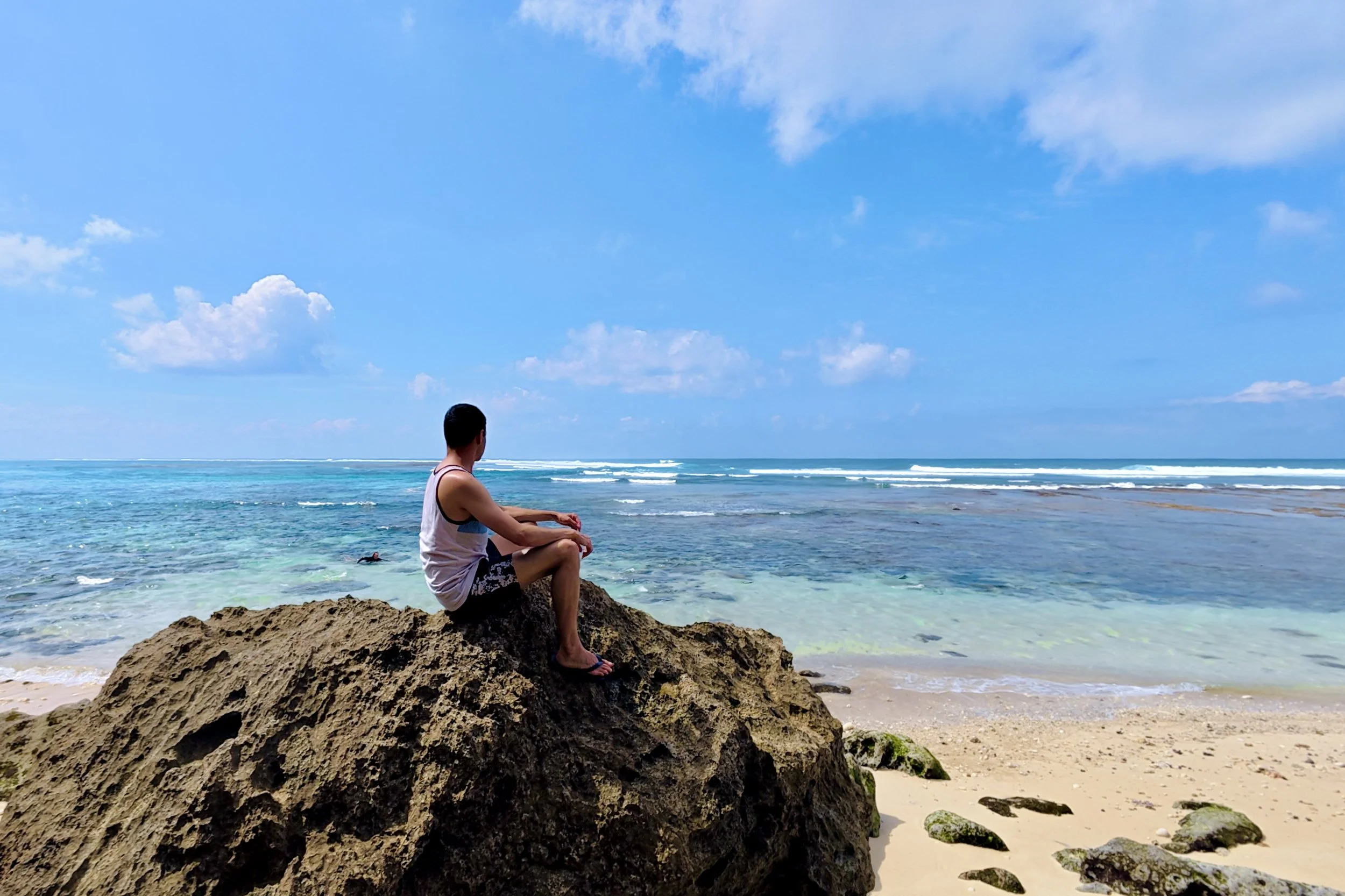
Green Bowl asks more of you. Getting there means descending some three hundred steps cut into a seventy-five-meter cliff, past shaded limestone caves and the occasional monkey watching from the rail.
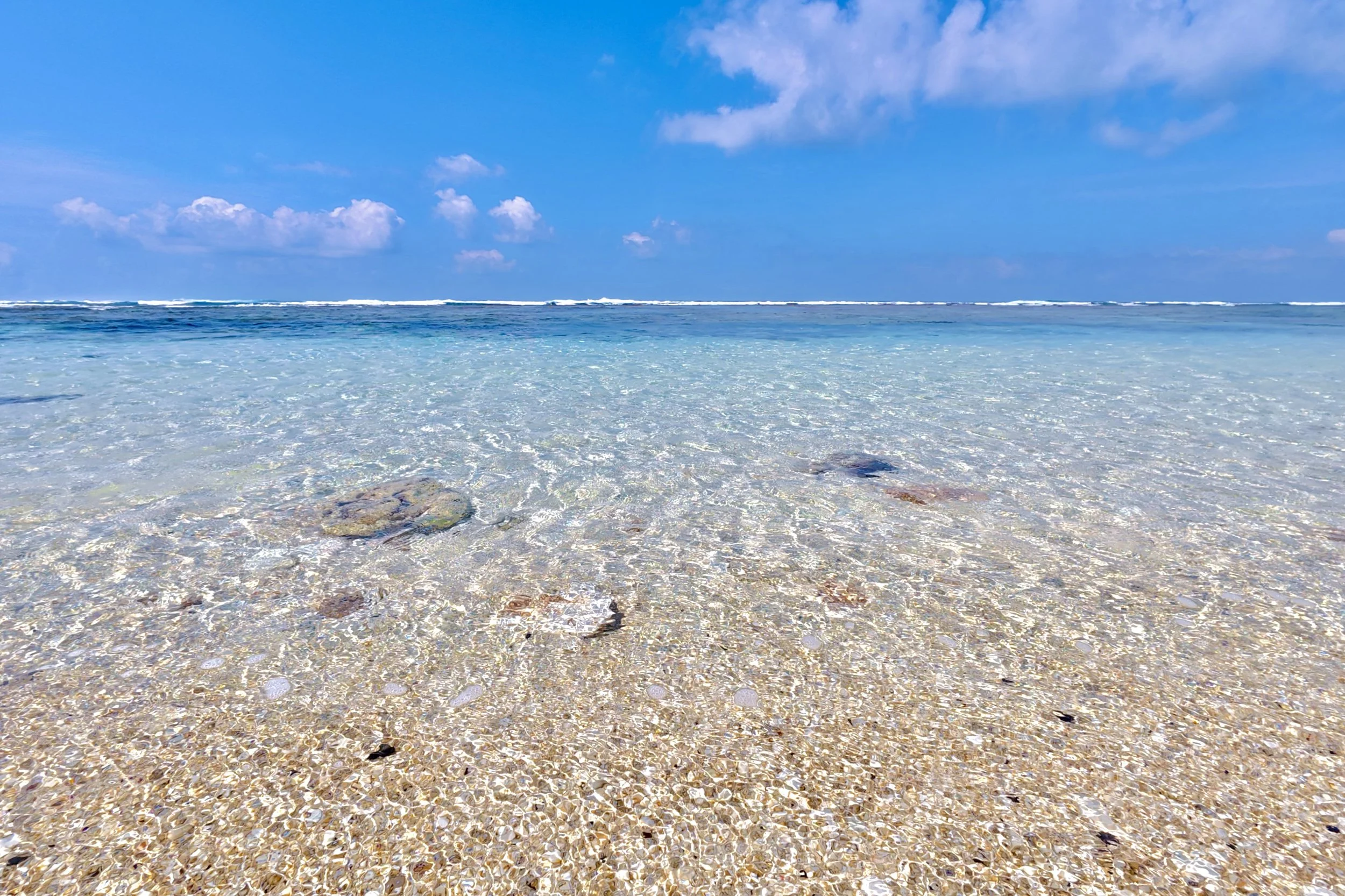
What waits at the bottom is small — barely a hundred feet of sand, walled in on both sides — but it feels earned in a way the other two didn't. The rock shelves at low tide are furred with green moss, which is how the beach got its name, and the surf breaks hard enough that you understand, watching the surfers paddling out, why anyone would carry a board down all those stairs.
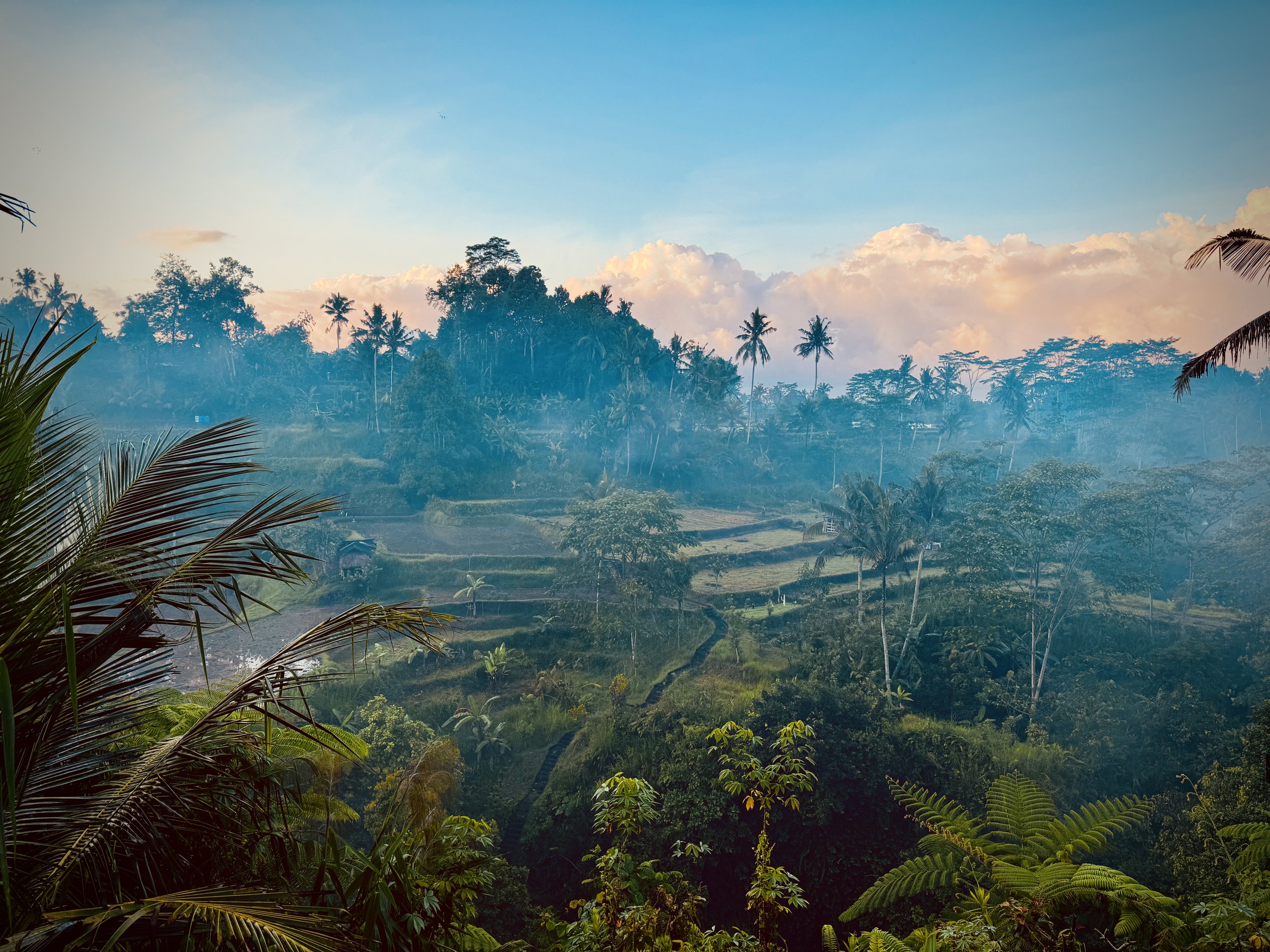
I thought about the terraces again on my last evening, standing somewhere on the Bukit with the tide pulling back and the light going soft. The two landscapes couldn't have looked less alike — one green and folded and quiet, the other blue and wide and loud with waves — but they shared something underneath: a patience, a willingness to be shaped slowly, by water, by time, by people who never seemed to be in a hurry to finish anything. Bali doesn't rush its mornings or its coastlines. It only asks that you don't either.
To see more photos & videos from my travels visit the links below
happy traveling,
~Sean
