Why Chiang Rai Feels Different
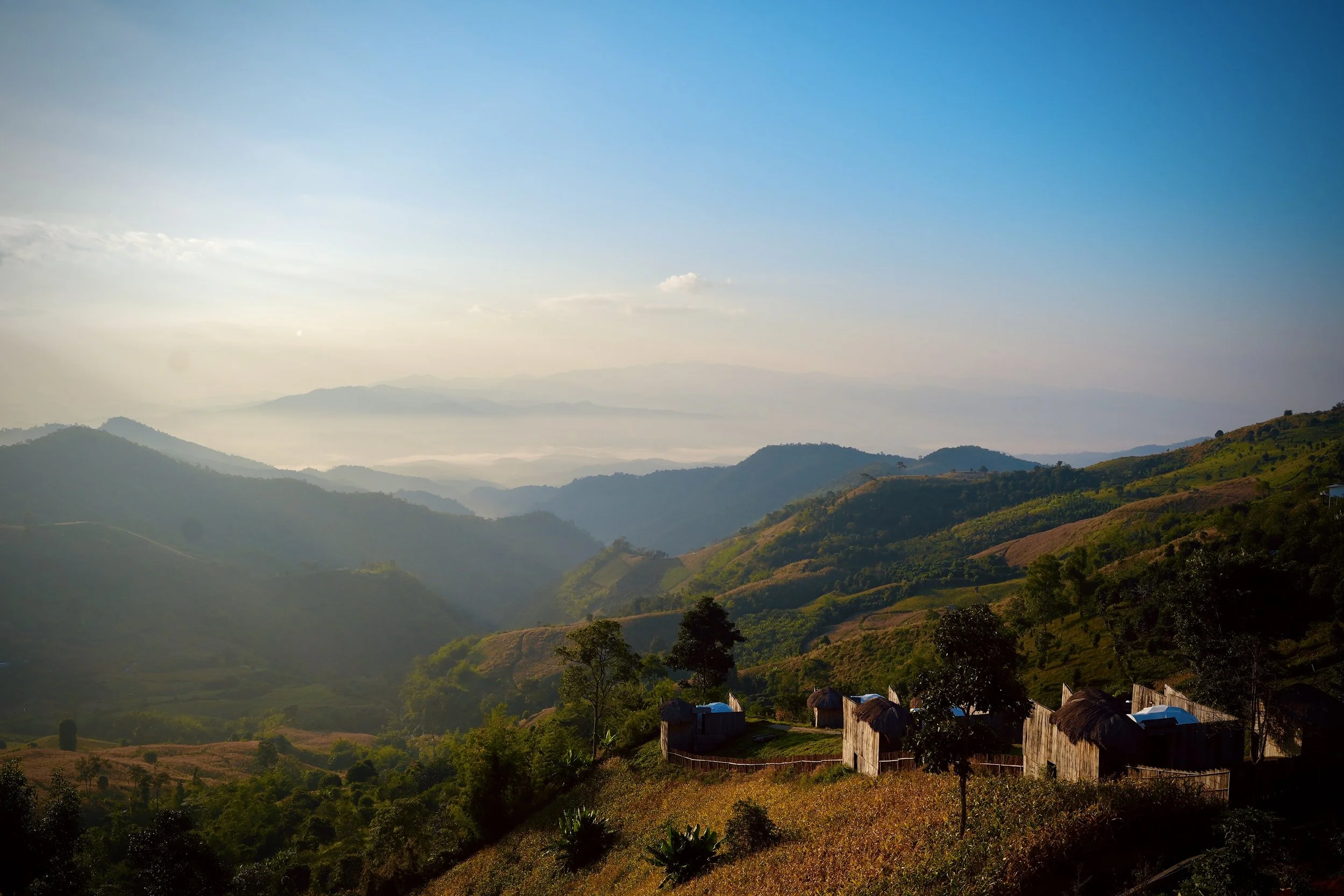
Layers of hills dissolve into morning haze. In Chiang Rai, elevation replaces density, and distance replaces noise
Chiang Rai doesn’t announce itself. It doesn’t overwhelm you with spectacle or ask for your attention all at once. It simply exists—wide, calm, and patient—and only later do you realize how much room it has given you to think. The feeling comes first. The data explains it afterward.
Chiang Rai Province covers roughly 11,700 square kilometers, larger than some small countries, yet home to only about 1.3 million people. That imbalance matters. With just over 110 people per square kilometer, the land is not compressed into urgency. Roads bend because the mountains insist on it. Villages remain spaced apart because there has never been a reason to force them together.
Silence here is not an absence. It is a feature.
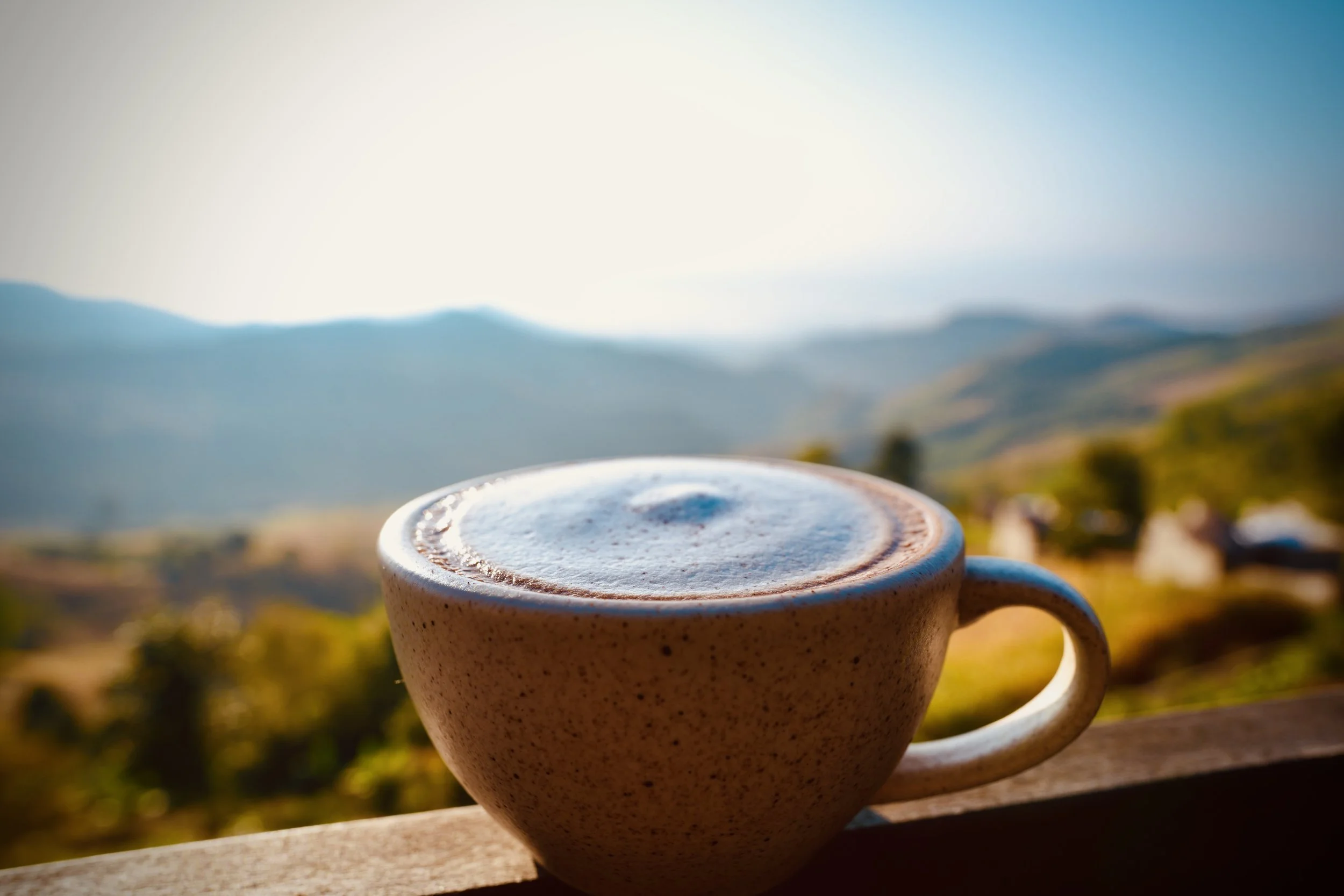
Daily life unfolds without congestion. Low population density shapes not just landscapes, but tempo
You feel this geography while moving through it. Chiang Rai’s roads are not empty, but they are unhurried. Distances exist without traffic becoming the point of the journey. When congestion does appear, it feels temporary—an interruption rather than a condition. Statistically, Chiang Rai remains one of Thailand’s least urbanized provinces, with large portions of the population still tied to agriculture, forestry, and small-scale trade.
More than sixty percent of the province remains agricultural or forested, and the land still dictates the schedule. Markets open early. Afternoons soften. Nights arrive quietly. Time here bends toward daylight.

Sacred spaces rise with the terrain, not above it. In Chiang Rai, scale is measured against mountains, not crowds
Tourism numbers tell a similar story. Before the pandemic, Chiang Rai welcomed roughly three to four million visitors per year. By Thai standards, that is modest. Chiang Mai, just a few hours south, regularly exceeded ten million. Even now, Chiang Rai’s recovery has been slower, quieter, and less aggressive.
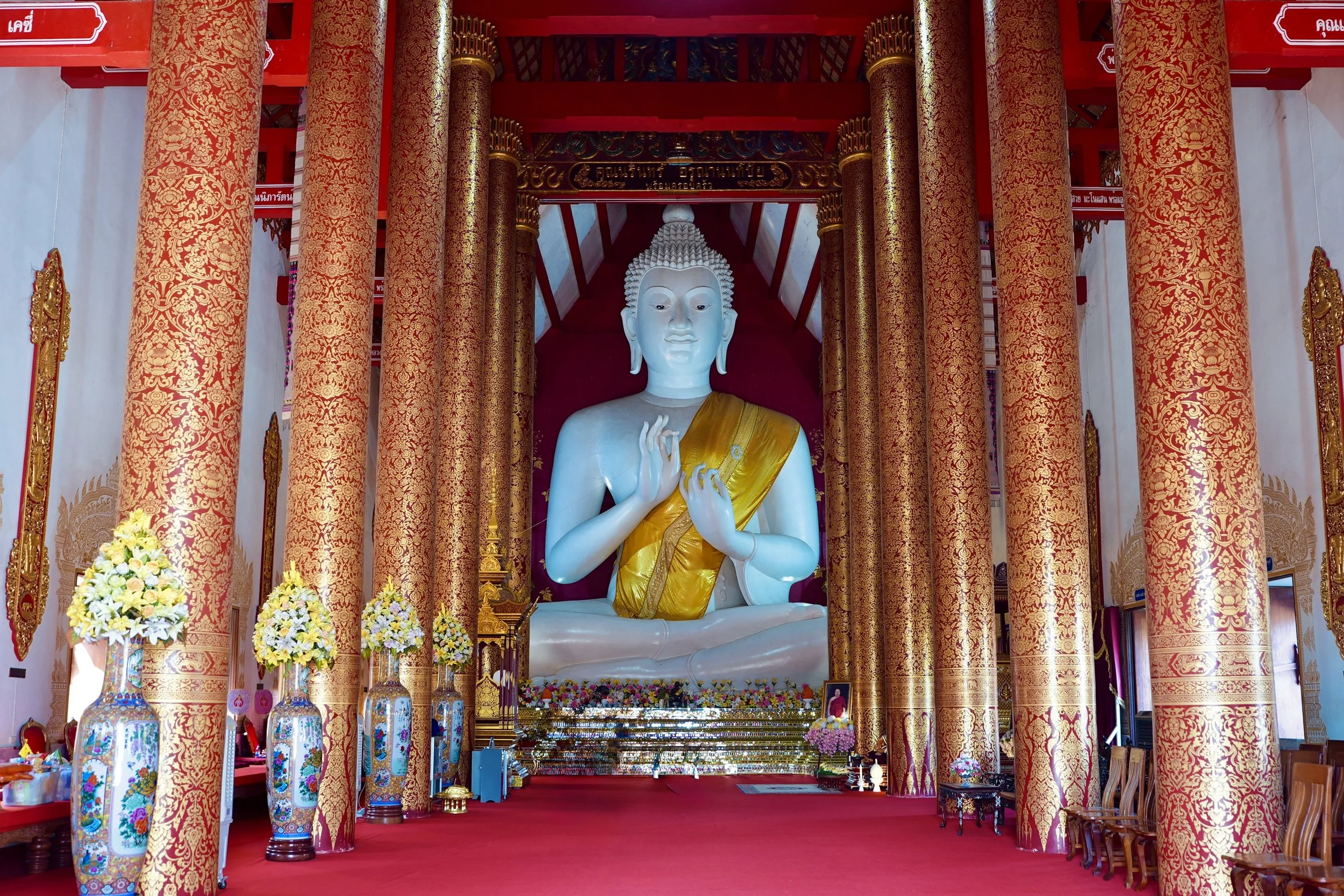
The result is not emptiness—it’s balance. Temples remain places of ritual before becoming photo stops. Cafés still serve regulars first. When you arrive somewhere, there is no sense that you are late. Most of the time, there was never a spectacle waiting to begin.
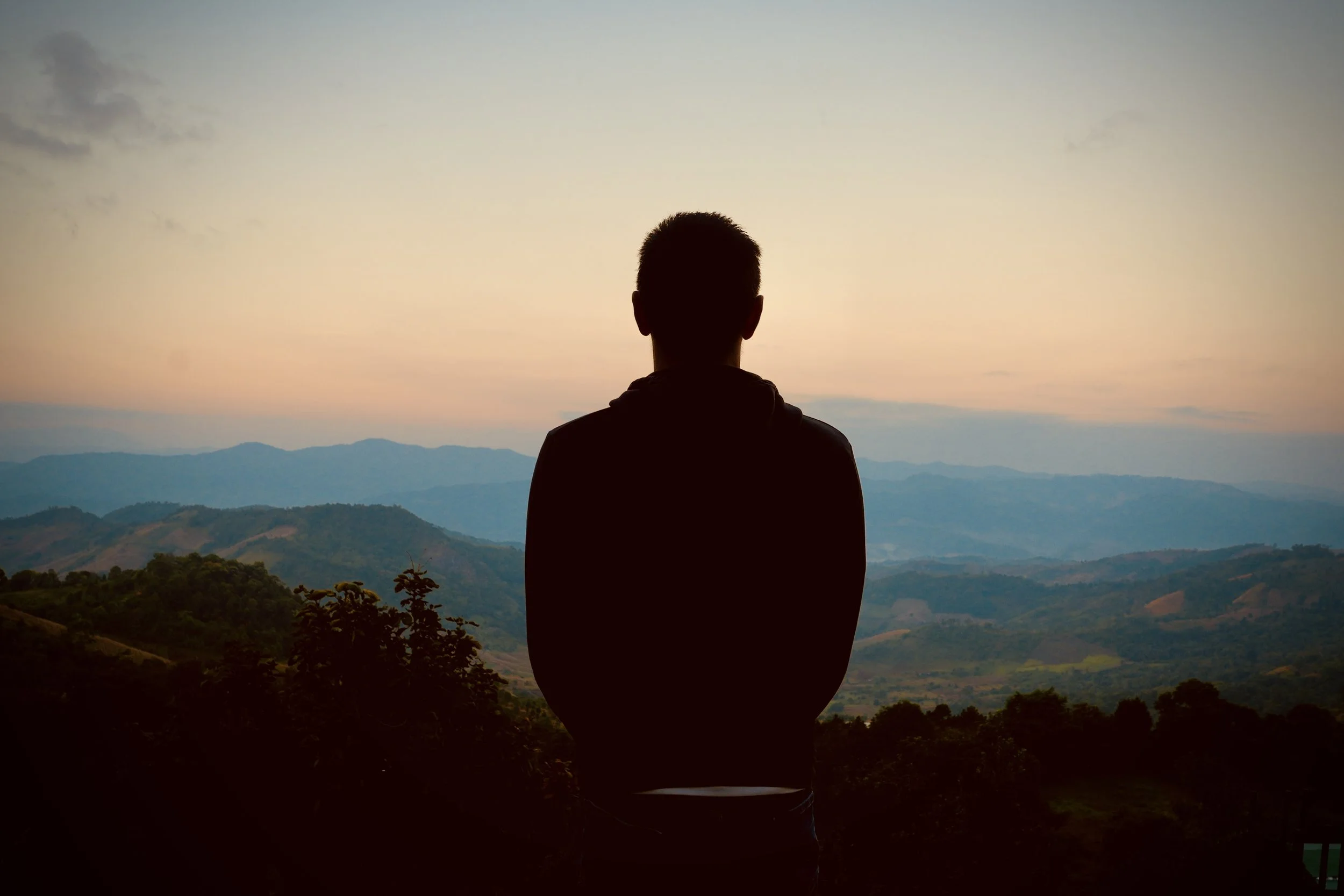
Many viewpoints rise above 1,000 meters. Altitude reshapes climate, crops, and daily rhythm
Geography deepens the effect. Chiang Rai sits at Thailand’s northern edge, where the last folds of the Himalayan foothills ripple outward. Elevation climbs quickly here, and that height cools the air by a few crucial degrees. Average temperatures run two to four degrees Celsius lower than central Thailand—enough to change how mornings feel, how long evenings last, and what grows in the soil.
Tea replaces rice in some hills. Coffee thrives where it shouldn’t. Mist lingers longer in the valleys. Climate data explains it, but the body understands it immediately.
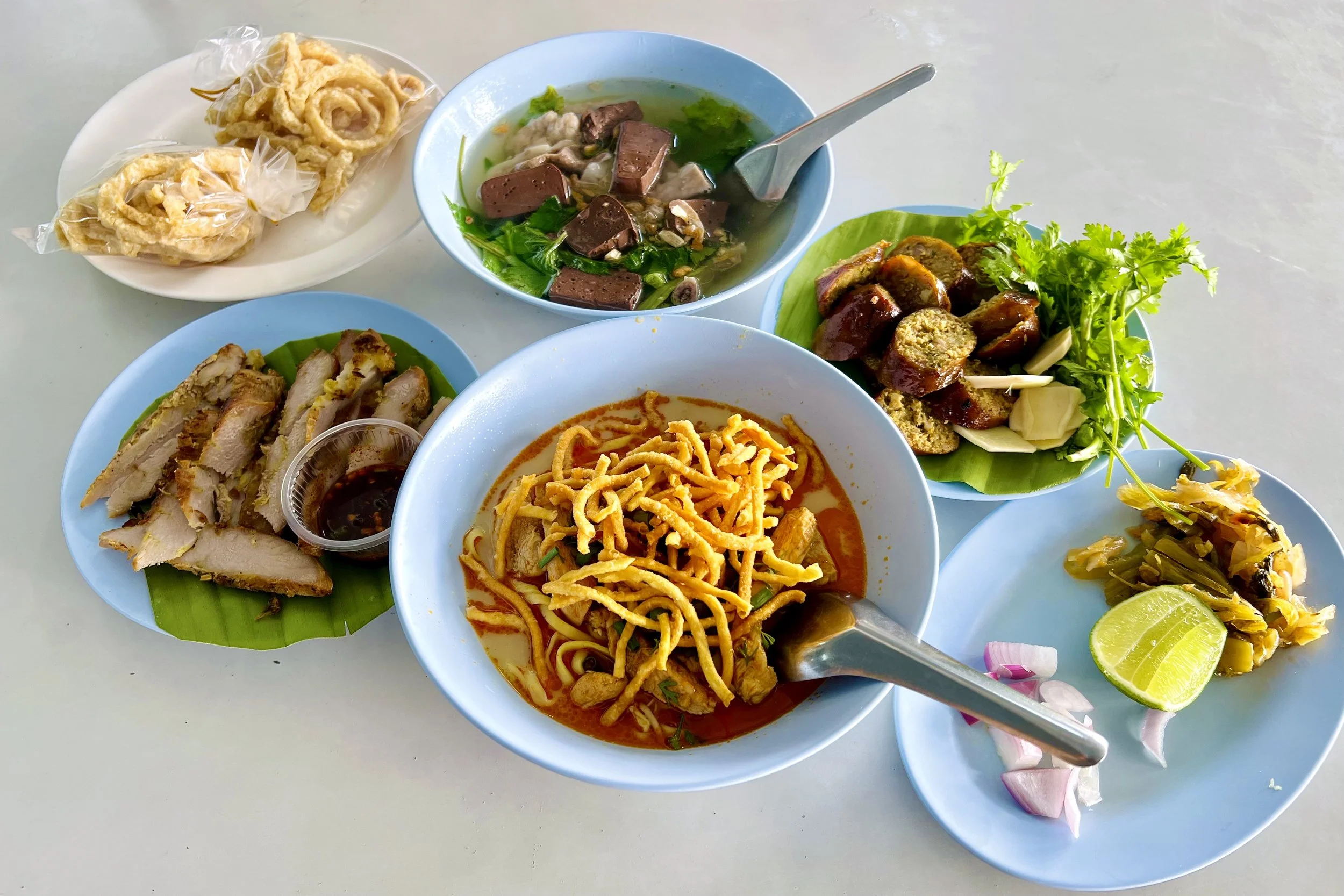
Affordability here isn’t a selling point—it’s the default
Food reinforces the pattern. A bowl of northern noodles or a plate of grilled sausage still costs forty to seventy baht, not as a bargain, but as a baseline. That price only works when meals are cooked for neighbors rather than visitors, when supply chains are short, and when restaurants do not need to explain themselves.
Statistically, Chiang Rai’s cost of living remains among the lowest in Thailand’s tourist-facing provinces. Experientially, it feels like continuity. Food is eaten because it always has been, not because it photographs well.
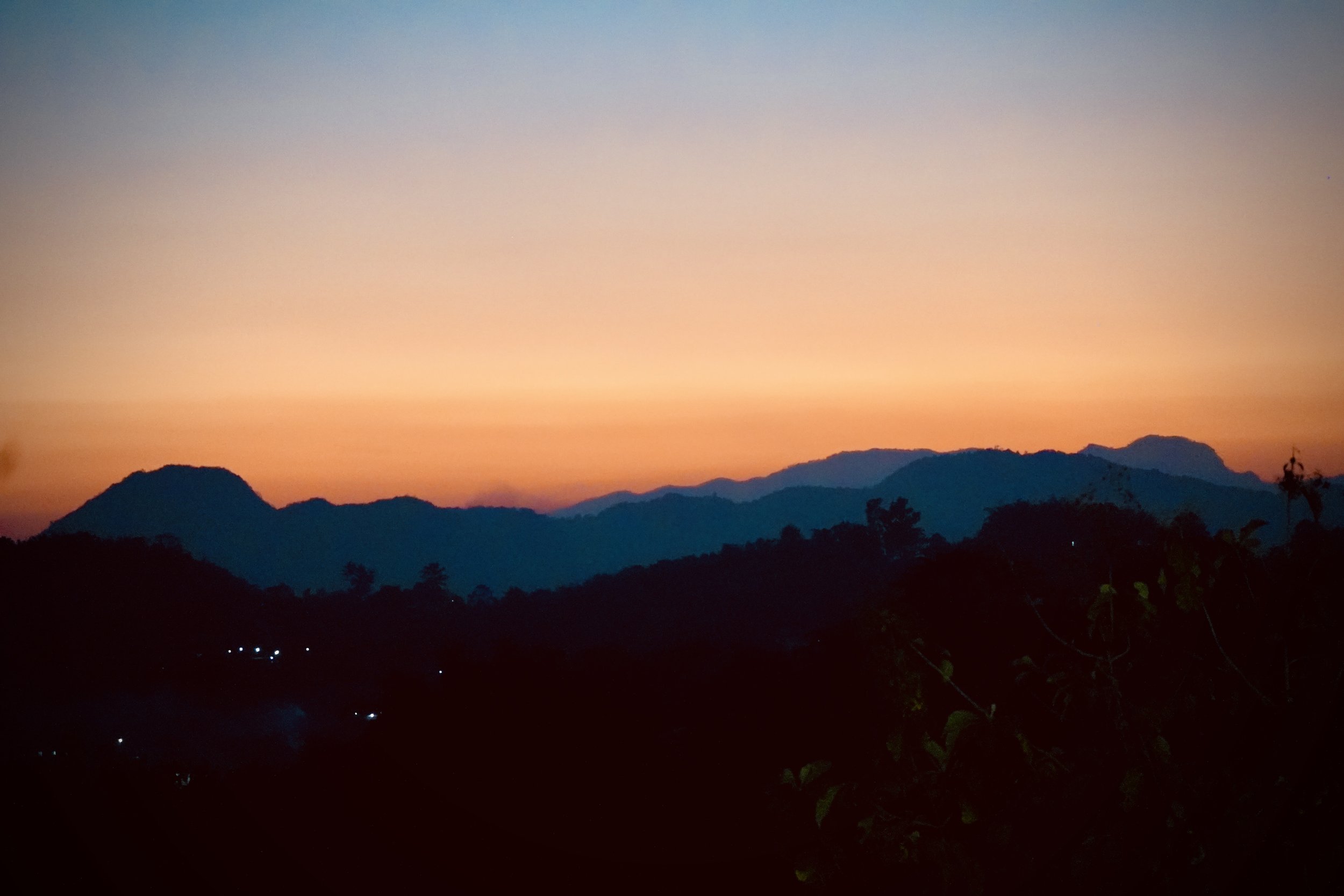
A place shaped by scale rather than ambition
What’s striking is that none of these numbers impress on their own. Fewer tourists. Lower density. Slower growth. Less nightlife. On paper, Chiang Rai underperforms. But together, these figures create space—physical, cultural, and mental. They allow landscapes to remain readable. They allow routines to persist without being repackaged.
Chiang Rai hasn’t been preserved. It has simply never been pressured to become something else.
That is why it stays with you.
Not because it demands attention—but because, statistically and quietly, it gives you room to breathe.
To see more photos & videos from my travels visit the links below
happy traveling,
~Sean
