Tokyo: Precision at Scale
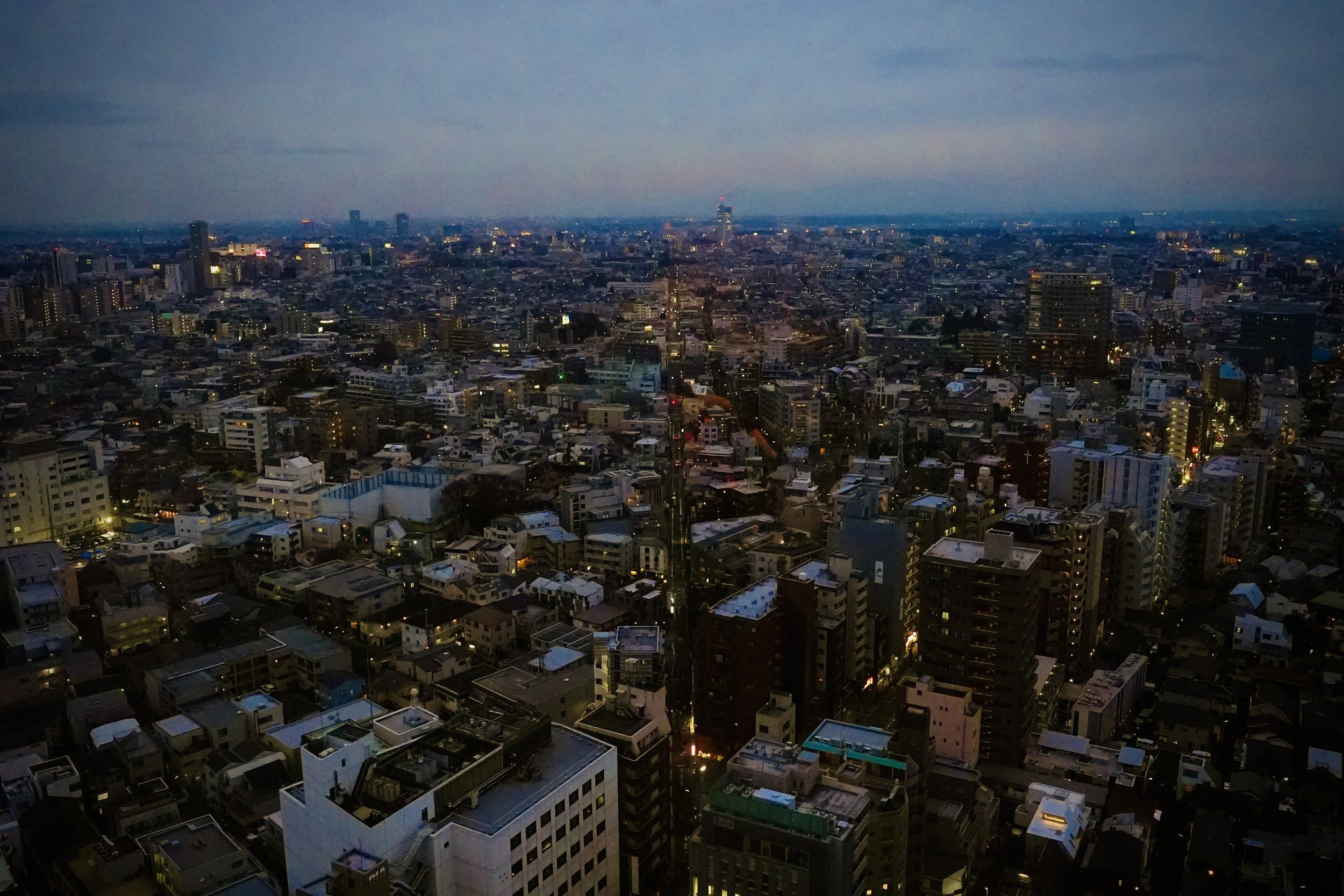
Tokyo is home to nearly 14 million residents within the city and forms part of a metropolitan region of approximately 37 million people — the largest urban concentration in the world
In the first two weeks of January 2025, I arrived in Tokyo as the city recalibrated after the New Year. The air hovered between 5–10°C, crisp enough to clarify the skyline, cool enough to thin the crowds. Winter light in Tokyo does not soften the city — it sharpens it.
Tokyo is not impressive because it is large. It is impressive because it functions.
The Greater Tokyo Area generates an economy estimated at over $2 trillion USD annually, placing it among the largest metropolitan economies on Earth. It contains more people than Canada. More than Australia. More than most countries.
And yet, stepping out of the airport, nothing felt swollen or strained.
The first lesson of Tokyo is this: scale does not require spectacle.
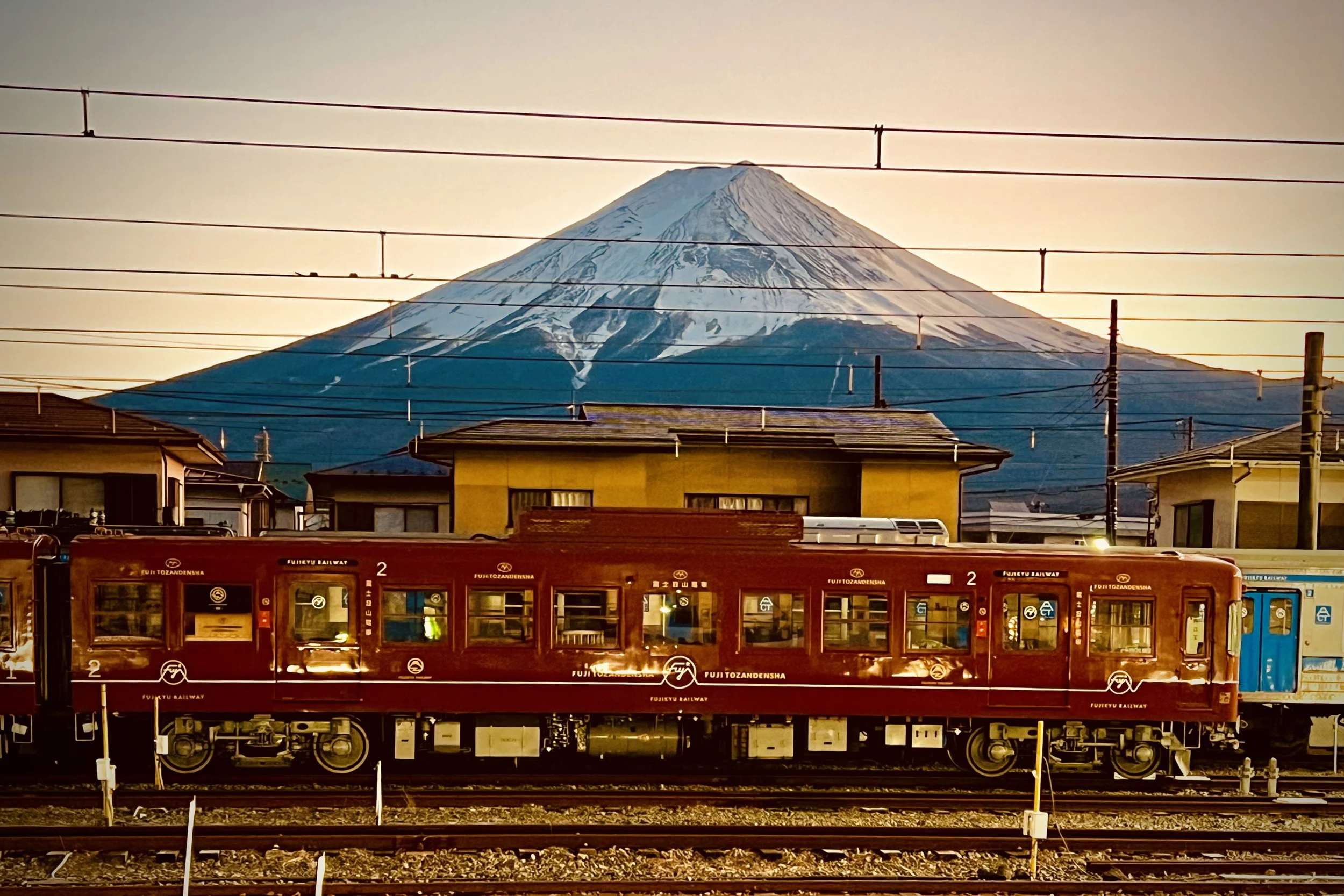
Greater Tokyo’s rail system is among the busiest in the world, carrying 30–40 million passengers daily with extraordinary precision
Movement defines Tokyo.
Over 150 rail lines and thousands of kilometers of track interlace the region. Trains arrive with delays often measured in seconds rather than minutes. During peak hours, station platforms compress into disciplined lines of commuters, yet boarding occurs without shouting or pushing.
In most cities, density amplifies friction. In Tokyo, density enforces adaptation.
Each commuter seems aware of the invisible system holding them together — an agreement to minimize disruption. Silence inside the train car is not mandated. It is assumed.
When tens of millions move daily, predictability becomes survival.
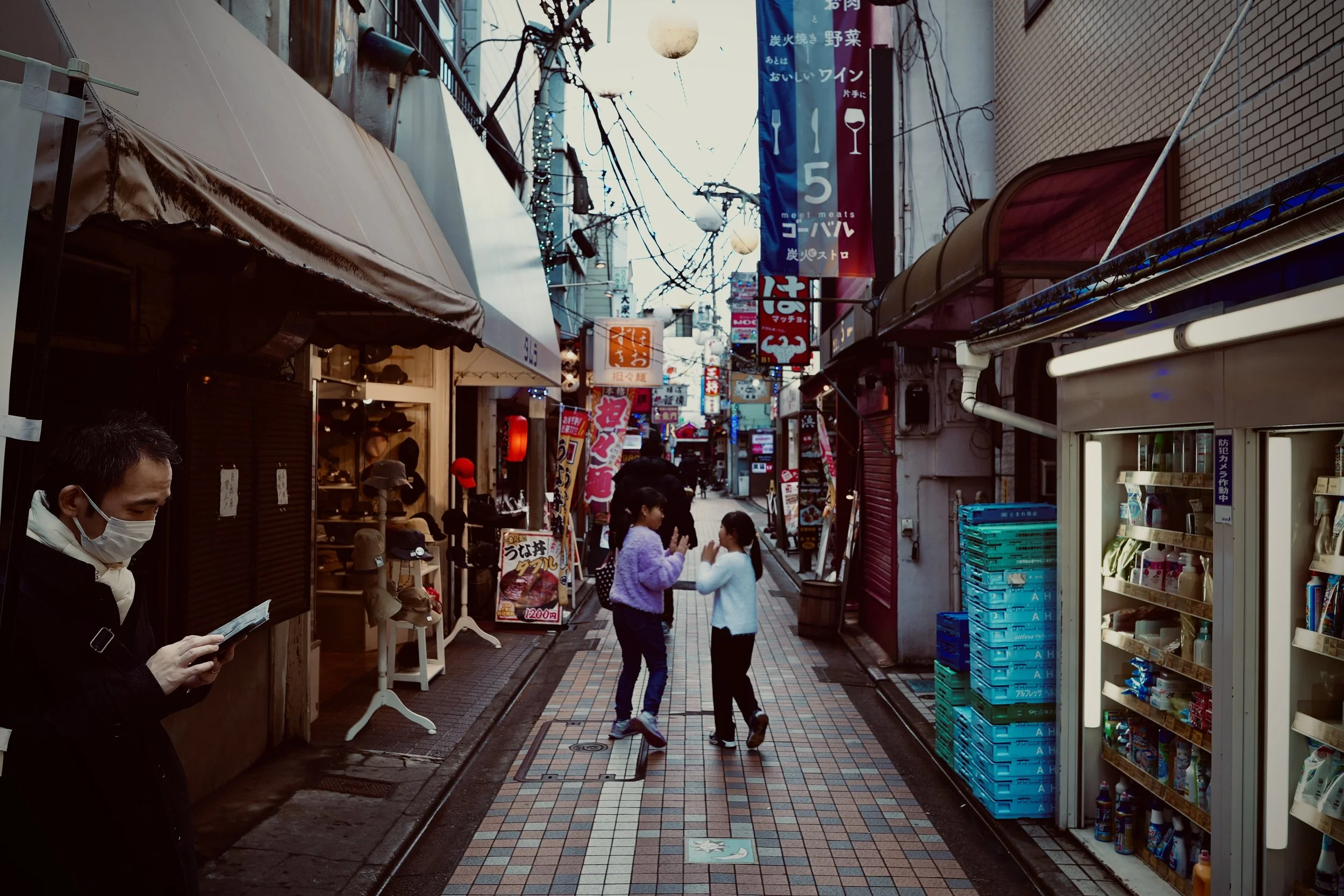
Despite its immense population, Tokyo consistently ranks among the safest major cities globally, with remarkably low violent crime rates
What surprised me most was not the skyline, but the residential streets.
Tokyo’s density rivals Manhattan’s in many wards, yet it rarely feels claustrophobic. Narrow lanes branch from major arteries into quiet residential grids. Buildings are compact but not oppressive. The verticality of high-rises coexists with intimate neighborhoods that feel almost village-like.
This is not accidental. Zoning laws, transit accessibility, and mixed-use development create a city where daily life is distributed rather than centralized. Over 90% of Tokyo residents rely on public transportation, reducing the spatial dominance of cars. Streets remain human-scaled.
Order, here, is structural.
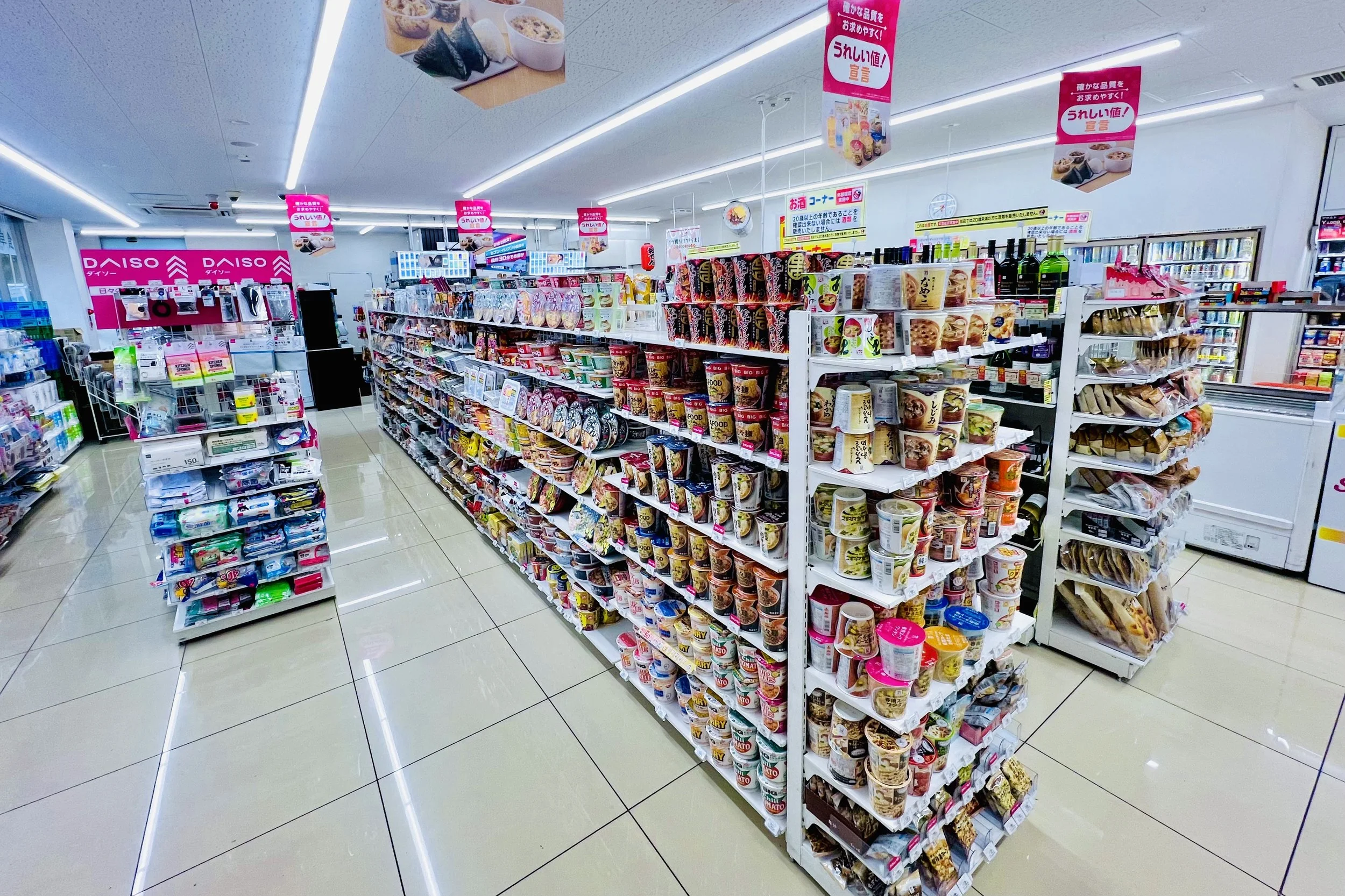
With convenience stores on nearly every block, Tokyo’s infrastructure operates at hyper-local scale — reliable, standardized, and seamlessly integrated into daily life
It was the convenience stores that made the data tangible.
Japan has over 55,000 convenience stores nationwide, many clustered densely within Tokyo’s wards. On some blocks, you can see two or three within a few hundred meters. They are open 24 hours. Stocked precisely. Staffed efficiently.
They are less retail space and more micro-infrastructure.
In a metropolis of 37 million, resilience depends on redundancy. Food access, banking, bill payment, parcel pickup — all decentralized into these brightly lit nodes. Scale here does not accumulate into excess; it distributes into reliability.
The system disappears because it works.
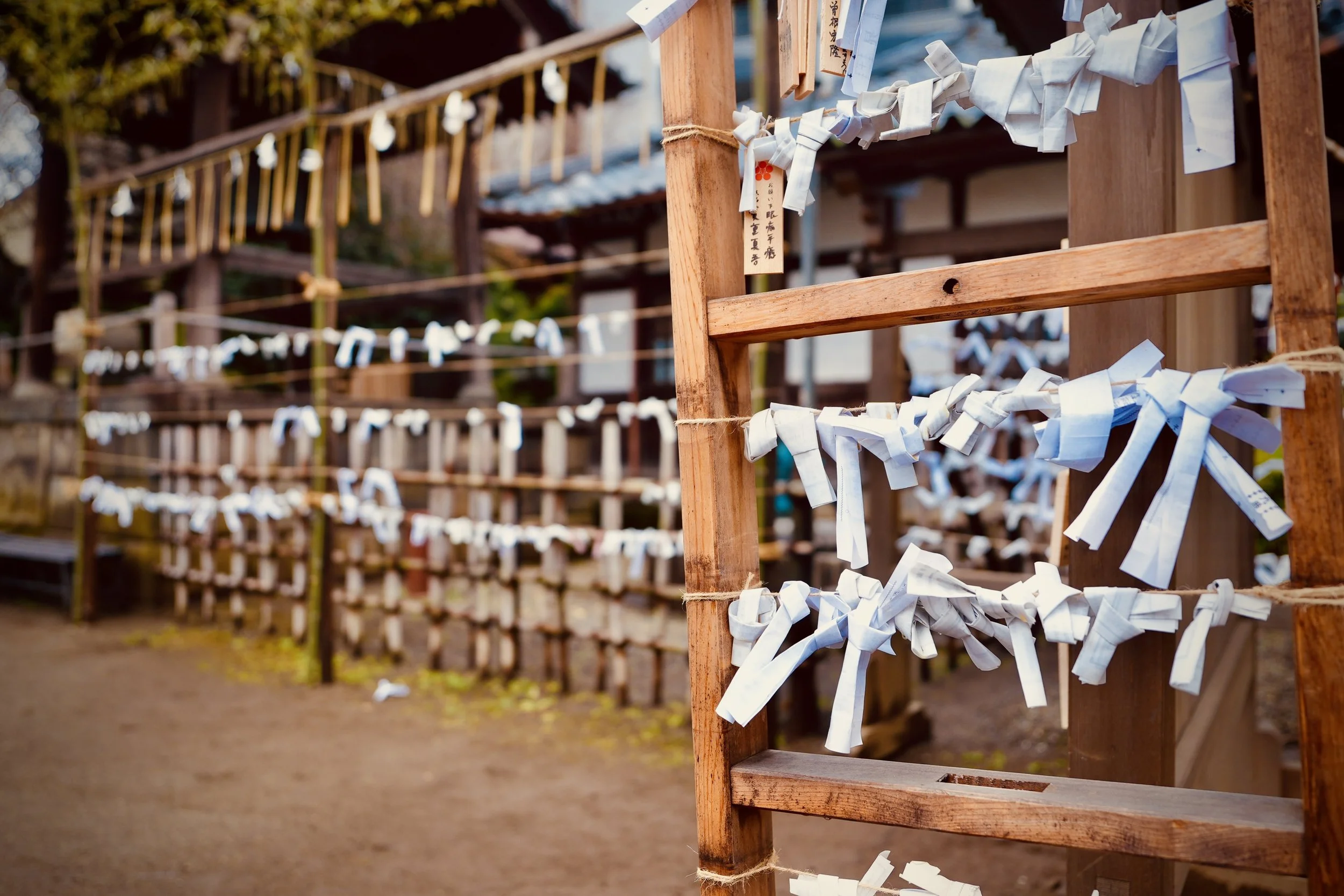
During Hatsumode, millions across Japan visit shrines and temples in the first days of the year to pray for health and prosperity
January in Tokyo carries ritual beneath the surface.
Hatsumode draws millions to shrines in the first days of the year. Even in the world’s most densely populated metropolis, people queue quietly to toss coins into offering boxes and bow in brief, measured reflection.
The modern skyline and the ancient ritual do not compete. They coexist.
Tokyo’s identity is not defined by technology alone, but by continuity. The same population density that fills train cars also fills shrine courtyards — yet the energy shifts from efficiency to intention.
Density is contextual here. It adapts to purpose.
What becomes clear in these first days is that Tokyo is not chaotic. It is calibrated.
The city contains:
37 million people in the greater metro
A transit network moving tens of millions daily
One of the largest metropolitan GDPs on the planet
Population densities comparable to the world’s most crowded urban centers
And yet it feels composed.
The data suggests overwhelm. The experience suggests control.
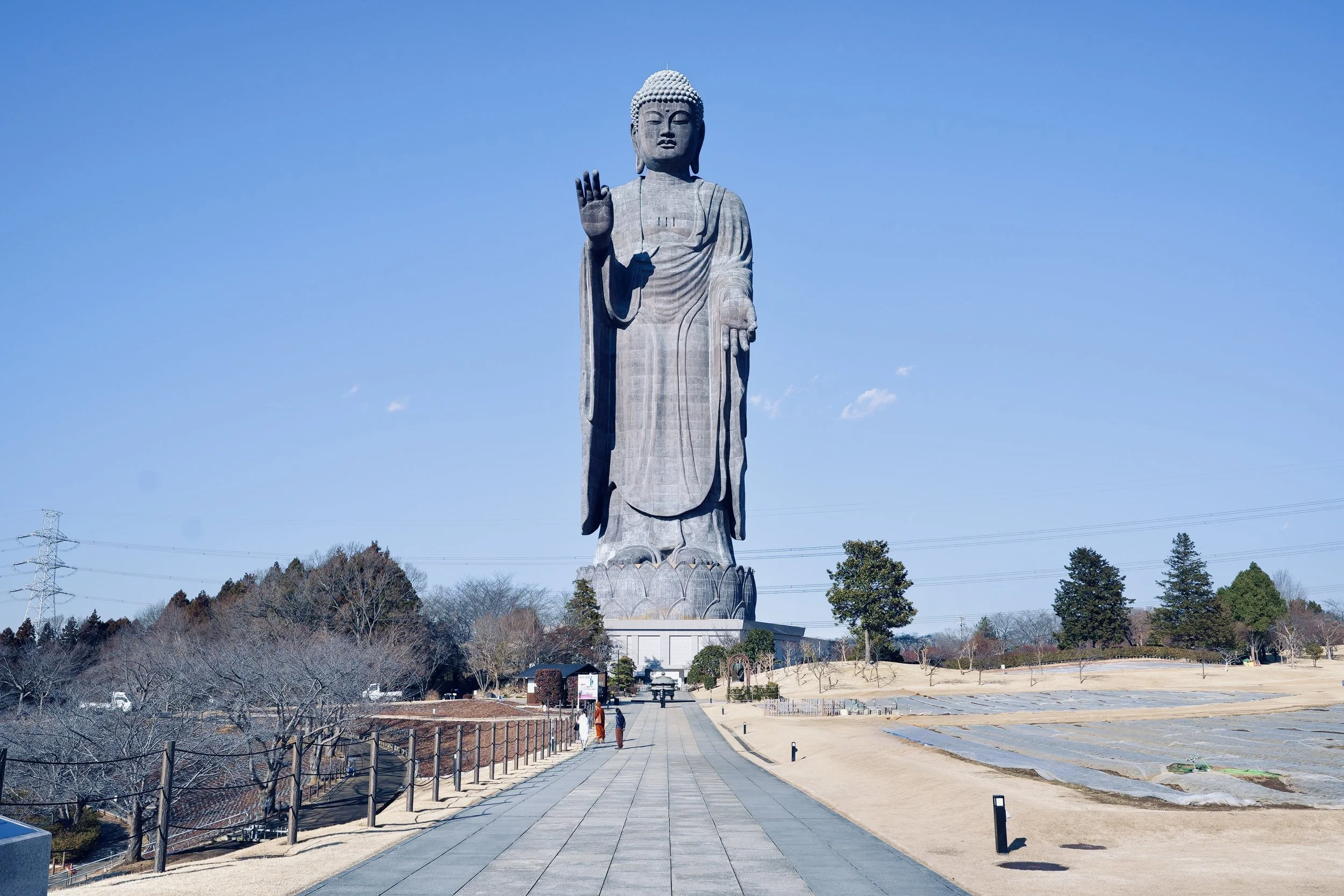
This tension — between scale and serenity — sets the stage for everything beyond the city center. From the 120-meter-tall Ushiku Daibutsu, to Lake Kawaguchi at roughly 830 meters above sea level, to the cedar forests of Nikko — designated a UNESCO World Heritage Site in 1999 — each destination will reveal a different negotiation of scale.
Monumental height. Natural elevation. Historical depth.
But Tokyo remains the anchor.
The largest urban region on Earth, functioning not through force, but through precision.
The city does not demand attention.
It manages it.
To see more photos & videos from my travels visit the links below
happy traveling,
~Sean
