Tokyo, Measured in Motion

The last meal before departure — precision even at the edge of leaving
Tokyo does not end when you leave it.
It ends in transit.
At Narita Airport — which handles roughly 30 million international passengers per year — I sat with a final tonkatsu meal. Crisp breading. Perfectly cut cabbage. Sauce applied in deliberate lines. Even departure is structured here. Even goodbye has geometry.
Greater Tokyo holds approximately 37 million people, the largest metropolitan population on Earth. And yet the city never feels chaotic in the way numbers suggest it should. It moves. It organizes. It calibrates.
Tokyo is not crowded.
It is optimized.
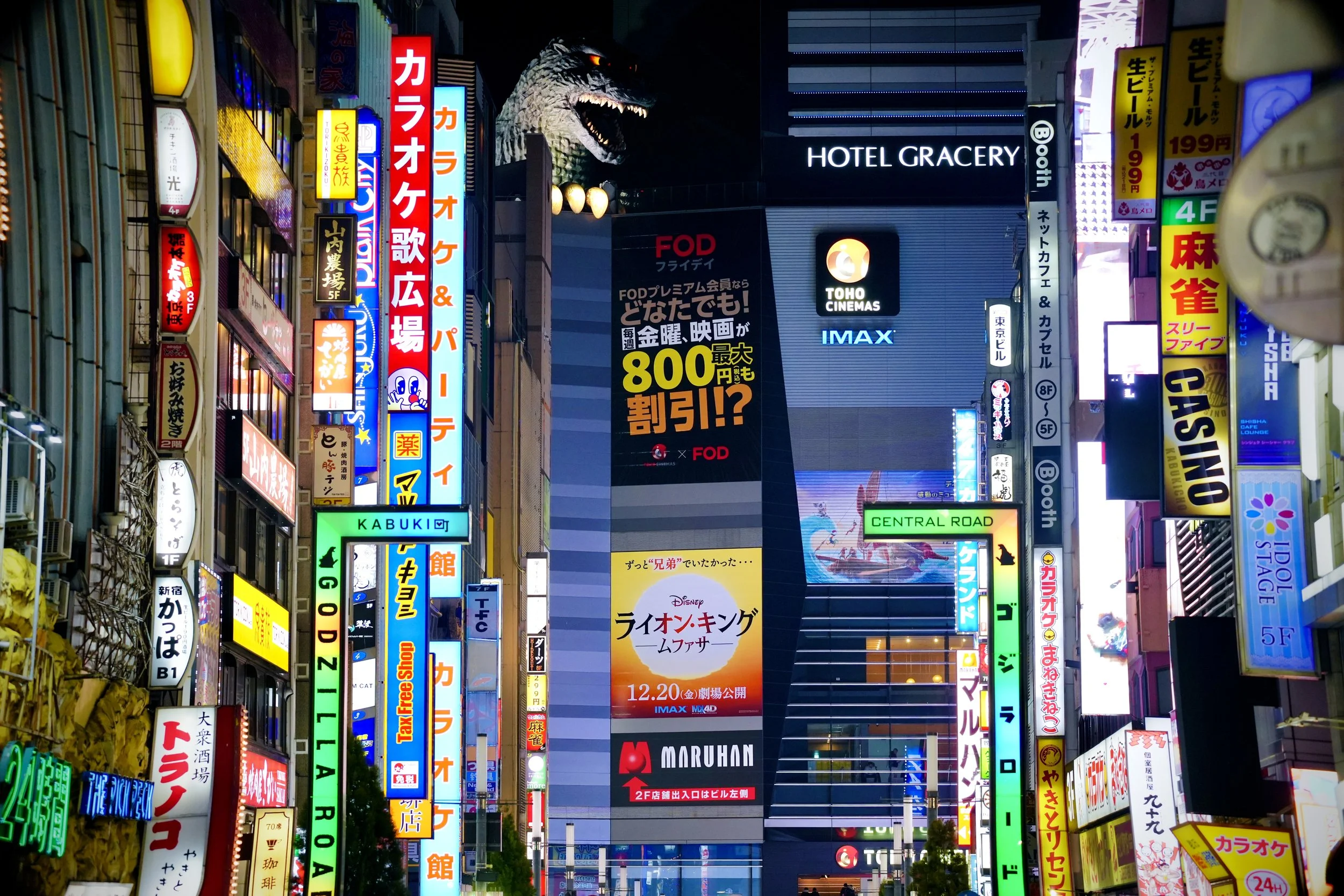
Data in light form — Shinjuku after dark
Shinjuku Station processes over 3.5 million passengers per day, making it the busiest railway station in the world. Standing beneath its neon canopy at night, the scale becomes visible — but not overwhelming.
What struck me most during these weeks was not the volume of movement, but its predictability. Trains arrive with over 99% punctuality. Platforms clear in seconds. Pedestrian flows self-correct.
The city operates like a distributed algorithm — decentralized yet coordinated.
You don’t fight Tokyo.
You synchronize with it.
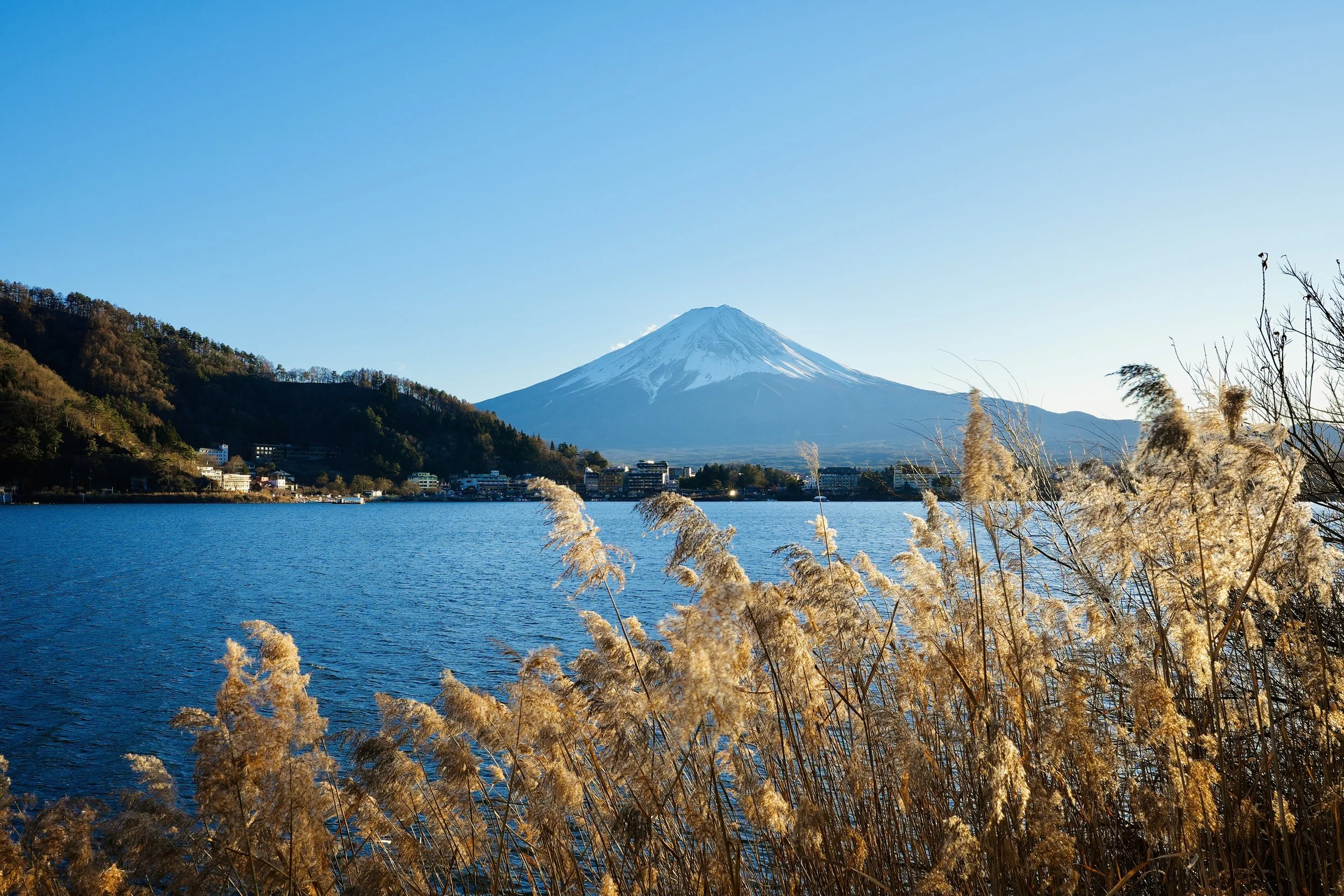
Distance recalibrated by elevation
Two hours west of the capital, Mount Fuji rises 3,776 meters (12,389 feet) above sea level. The train ride from Shinjuku to Kawaguchiko compresses geography into a manageable dataset: urban density dissolving into open water and volcanic symmetry.
Japan is approximately 73% mountainous, which means much of its population compresses into narrow coastal plains. Tokyo’s density is not accidental — it is geographic necessity.
Lake Kawaguchi was quiet. Fuji did not demand attention; it absorbed it. In that stillness, Tokyo’s scale became contextual rather than dominant.
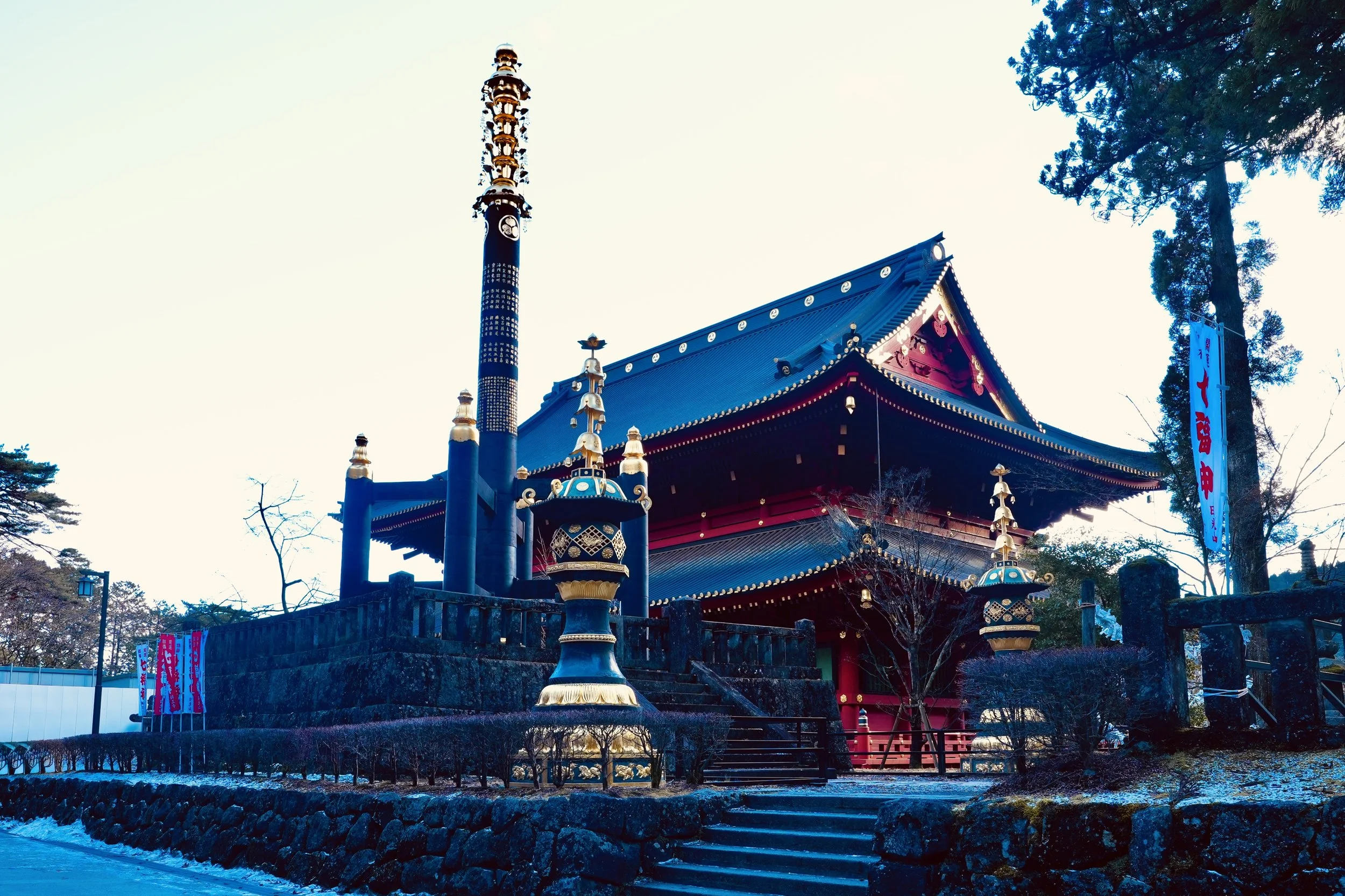
Seventeenth-century wood beneath twenty-first-century infrastructure
In Nikko, cedar trees rise beside shrines first constructed in the early 1600s. The UNESCO World Heritage complex receives over 2 million visitors annually, yet the forest buffers the weight of that attention.
Tokyo’s modernity exists alongside deep continuity. Bullet trains run at speeds exceeding 300 km/h (186 mph), yet shrines endure for centuries.
Progress here does not erase precedent.
It layers over it.
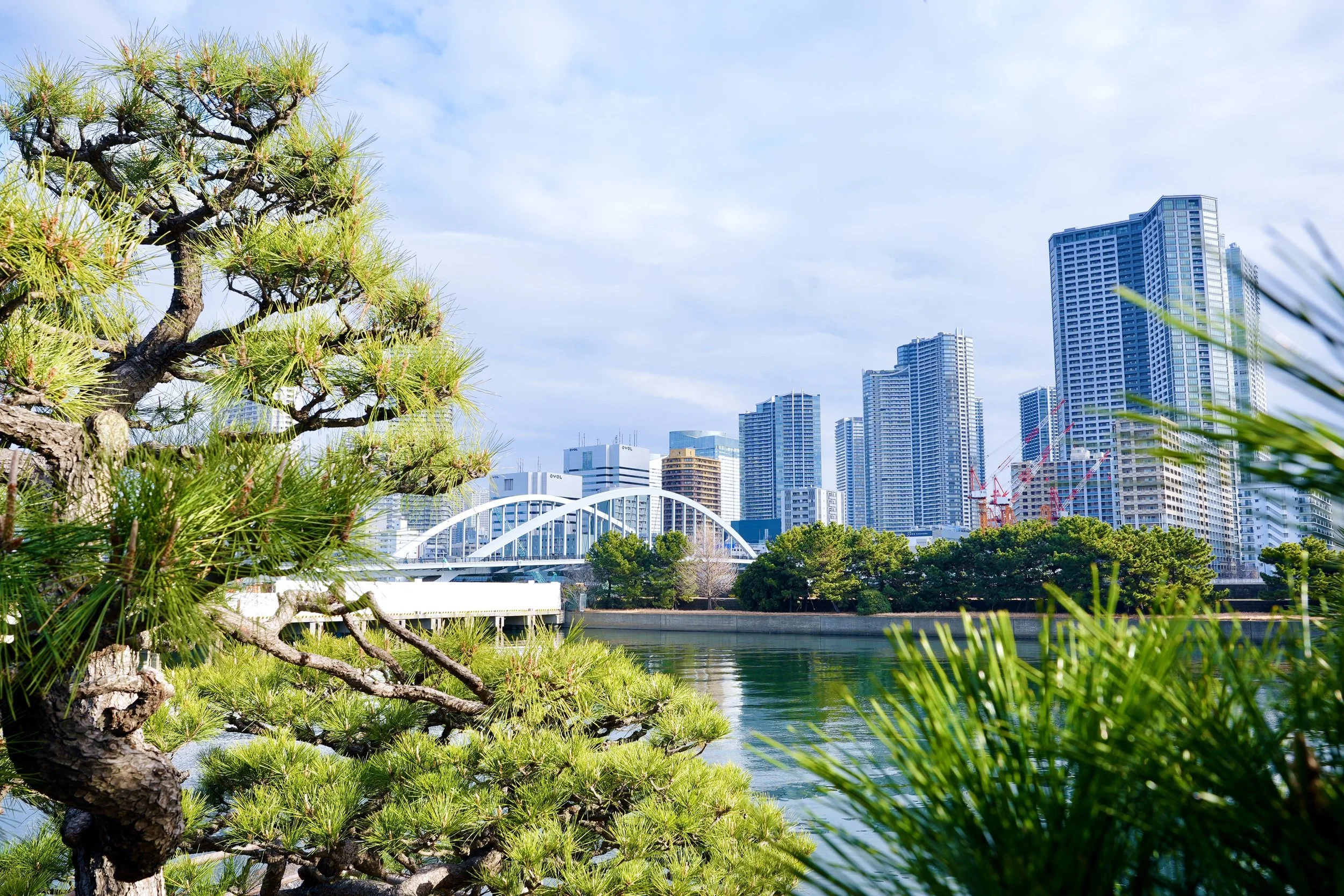
A tidal garden in a financial district
Hamarikyu spans roughly 25 hectares (62 acres) inside one of the world’s most economically powerful cities. Tokyo’s metropolitan GDP exceeds $2 trillion, larger than many nations. Yet within walking distance of trading floors and corporate towers, a pond rises and falls with the tide.
The garden’s water level responds to Tokyo Bay. It is connected — not ornamental.
This is the city’s philosophy in miniature: engineered control with intentional permeability.
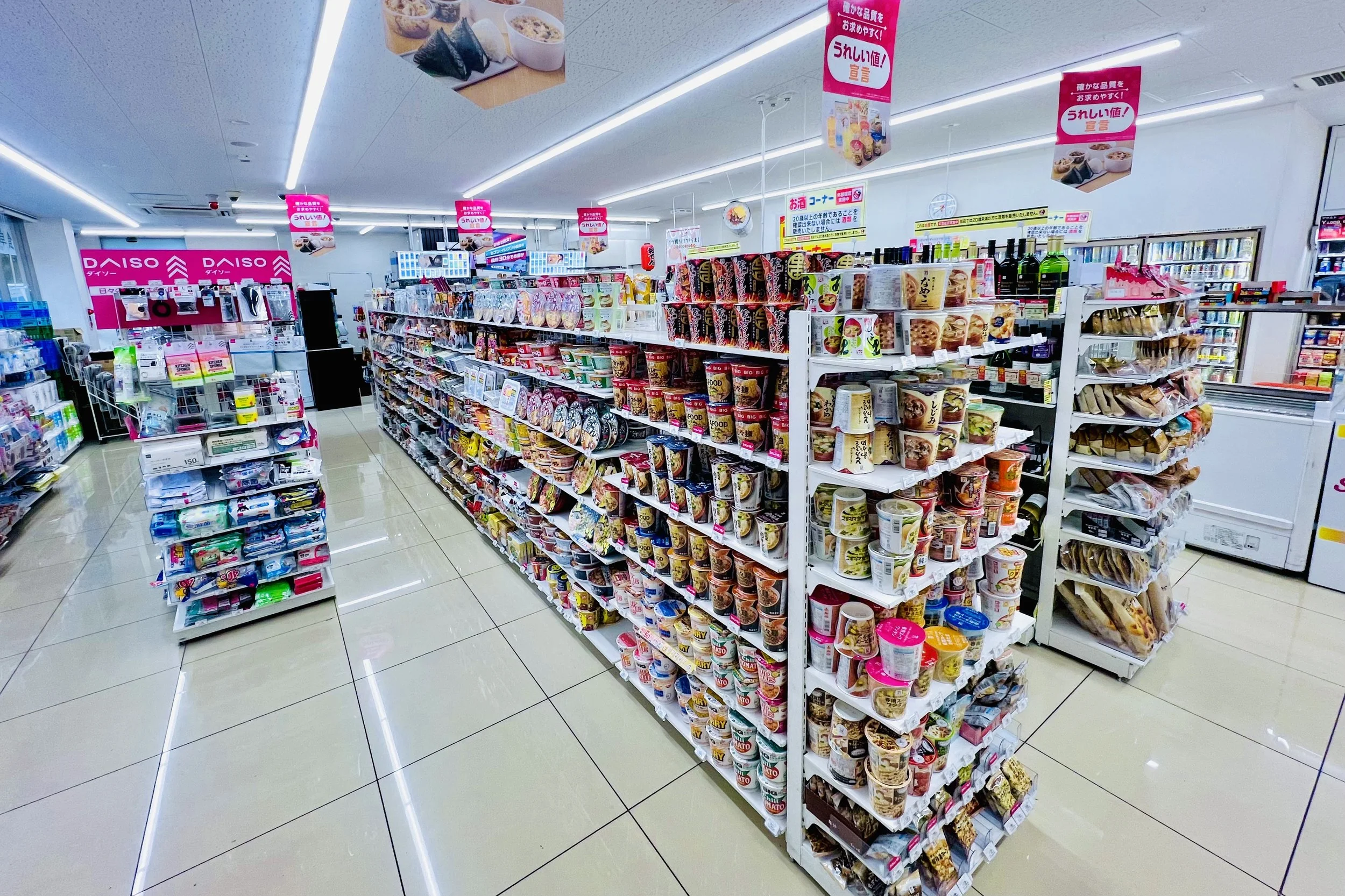
Systems excellence at the smallest scale
Japan operates more than 21,000 7-Eleven stores, part of a nationwide convenience network exceeding 55,000 locations across brands. That butter roll — soft, precise, inexpensive — is not trivial. It represents logistical mastery.
Tokyo excels at scale and detail simultaneously. Michelin-starred restaurants coexist with vending machines that function flawlessly. Even the simplest snack reflects supply chain rigor.
In Tokyo, quality is not reserved for luxury.
It is embedded in the baseline.
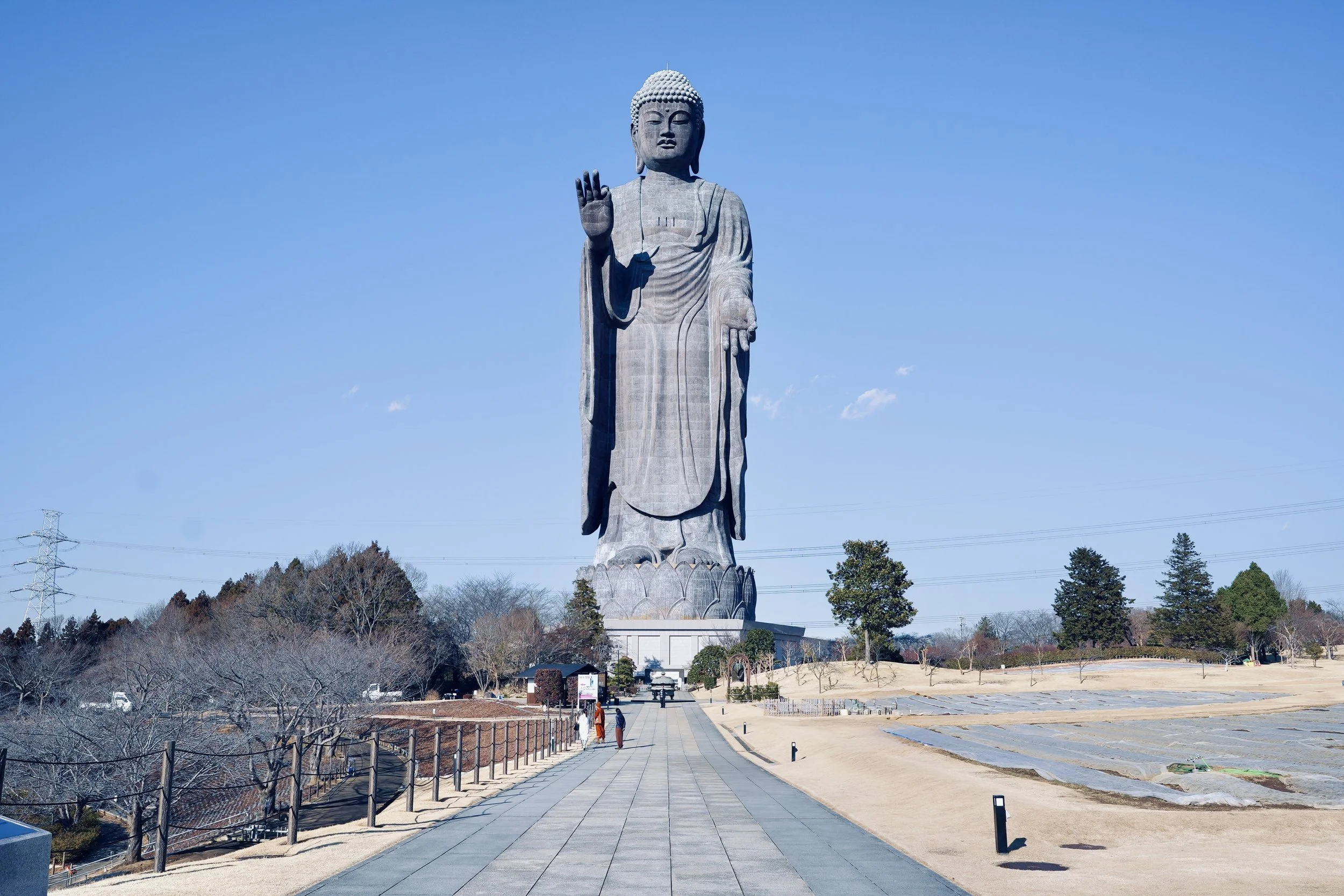
Looking outward from stillness
The Ushiku Daibutsu stands 120 meters tall, among the tallest statues in the world. From within, looking outward across fields and neighborhoods, Tokyo’s velocity feels distant.
The city is fast. The country is aging — Japan’s median age is over 48 years, among the highest globally. Infrastructure must support both speed and longevity.
That duality defines Tokyo: acceleration paired with endurance.
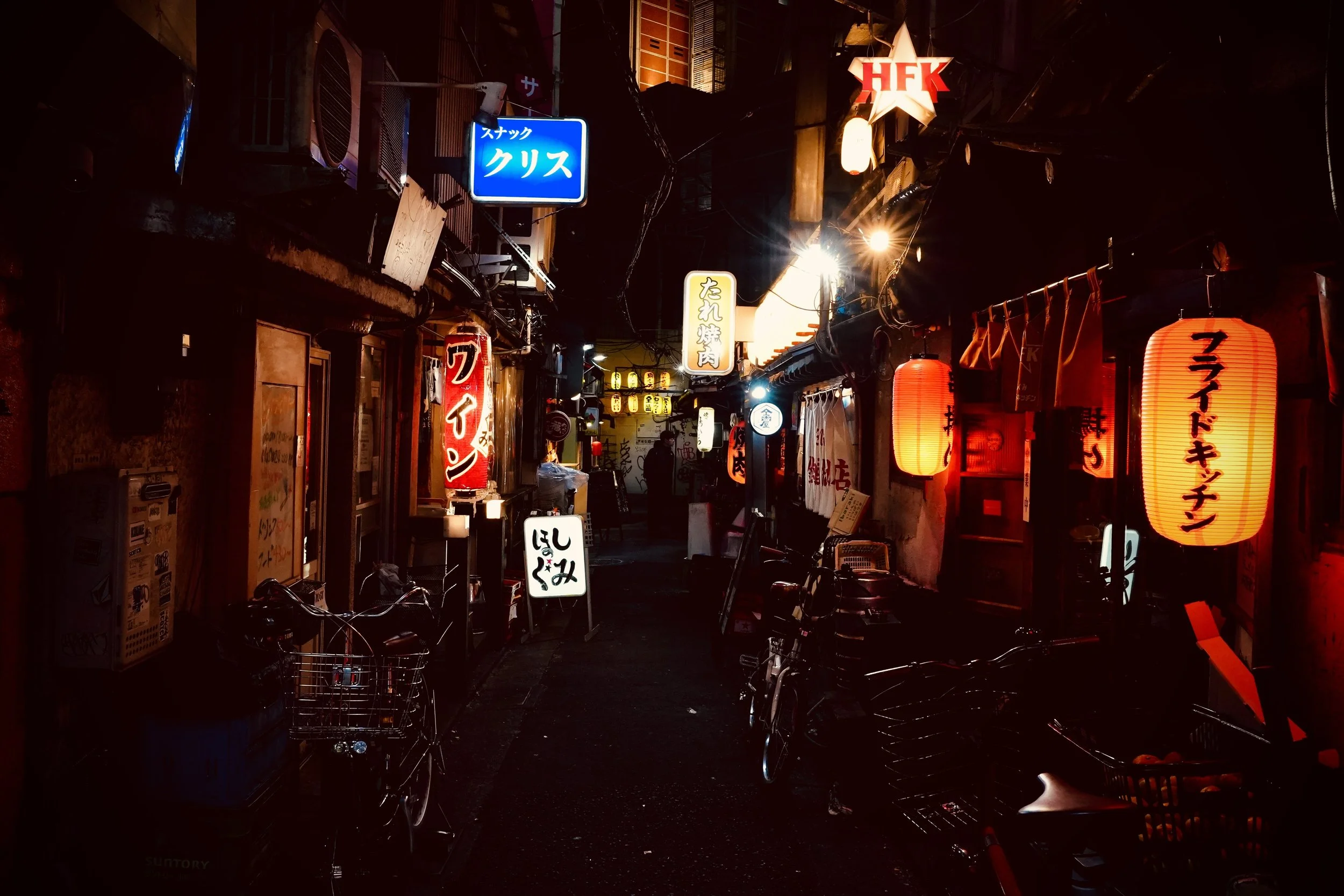
Micro-scale human density
In narrow alleyways — Golden Gai, Omoide Yokocho — rooms hold fewer than ten seats. Tokyo contains over 160,000 restaurants, one of the highest concentrations in the world.
Macro density produces micro intimacy.
A city of millions can still feel small — if designed to segment itself into walkable fragments.
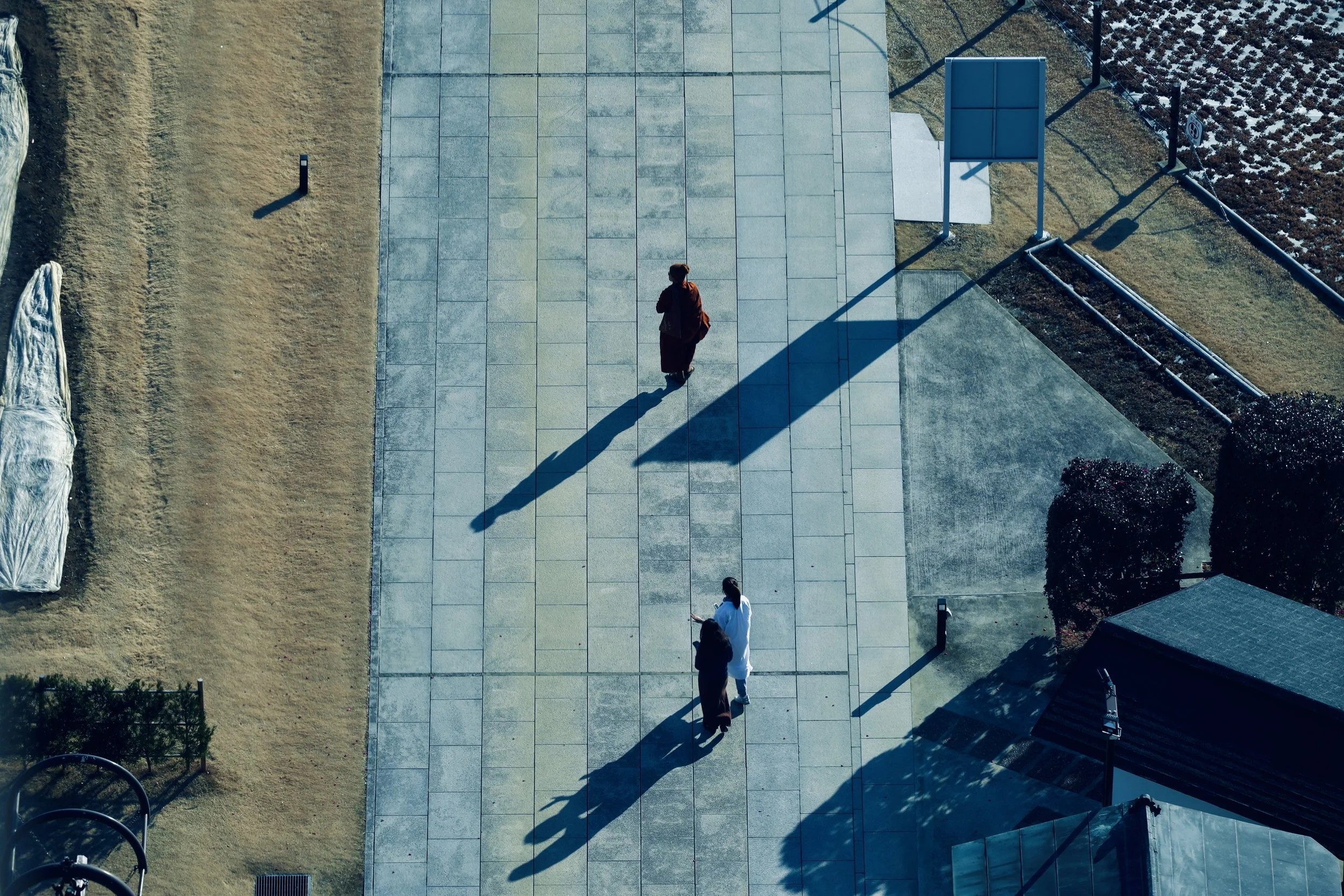
Structured pause
During these two weeks, I traveled roughly 1,000+ kilometers by rail, from Tokyo neighborhoods to Nikko to Fuji and back. Every movement felt pre-calculated, yet never mechanical.
Tokyo is often described as overwhelming, but I found it precise. A system that anticipates friction before it forms.
Even in winter — with average January temperatures around 5°C (41°F) — the city felt warm in motion.
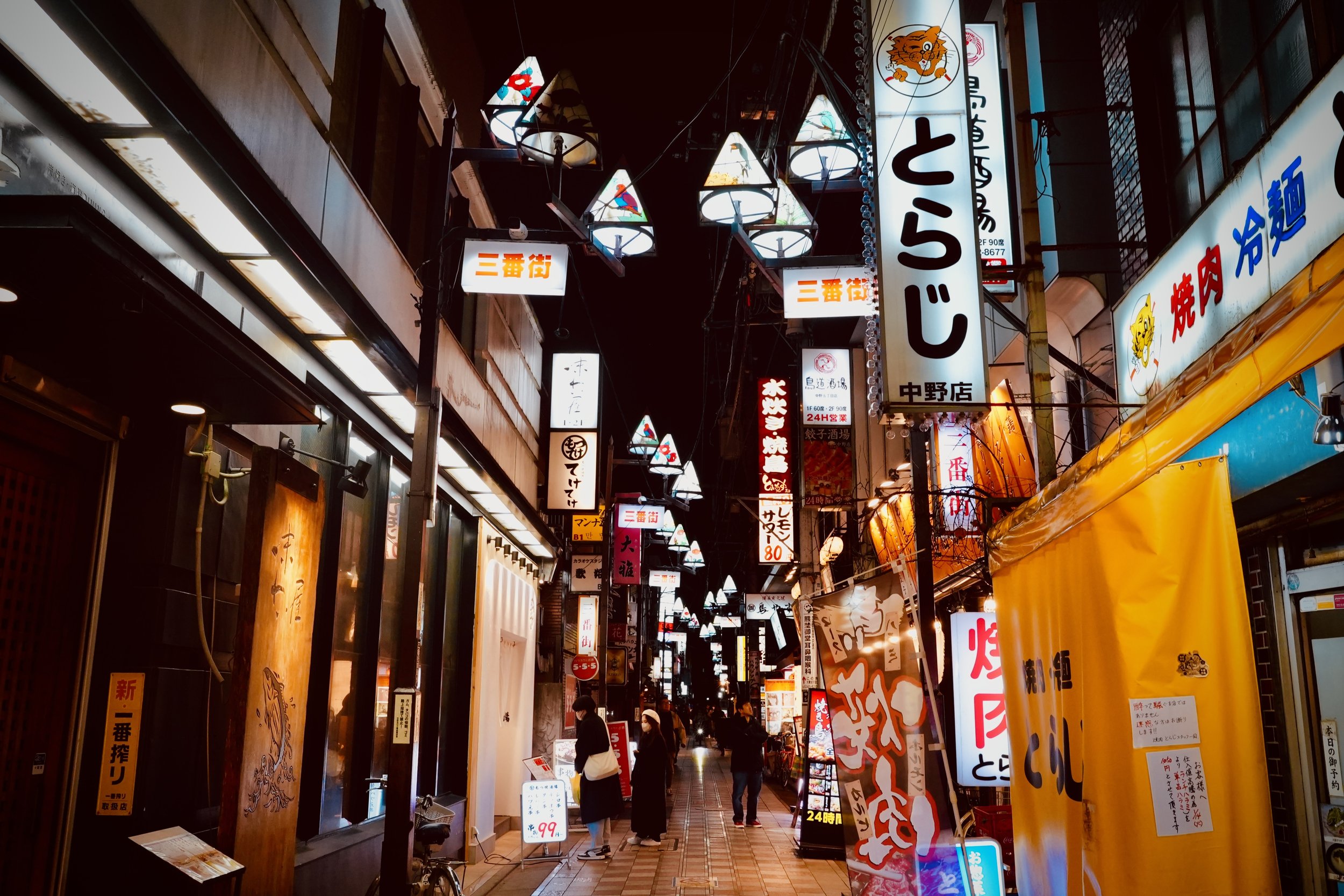
In a city of millions, silence is engineered too
Tokyo does not end in spectacle. It ends in systems — trains gliding on schedule, vending machines humming softly, convenience stores glowing like lighthouses at midnight. A metropolis of 14 million people, nested inside a greater urban region of nearly 37 million, somehow dissolves into stillness if you walk long enough. The data explains the scale. The streets explain the design. And the quiet explains the discipline.
By the time I returned to my room, the neon had thinned. The crowds had dispersed. What remained was a narrow street, lit gently, almost tenderly — a reminder that even the most complex city on earth leaves space for silence.
To see more photos & videos from my travels visit the links below
happy traveling,
~Sean
